
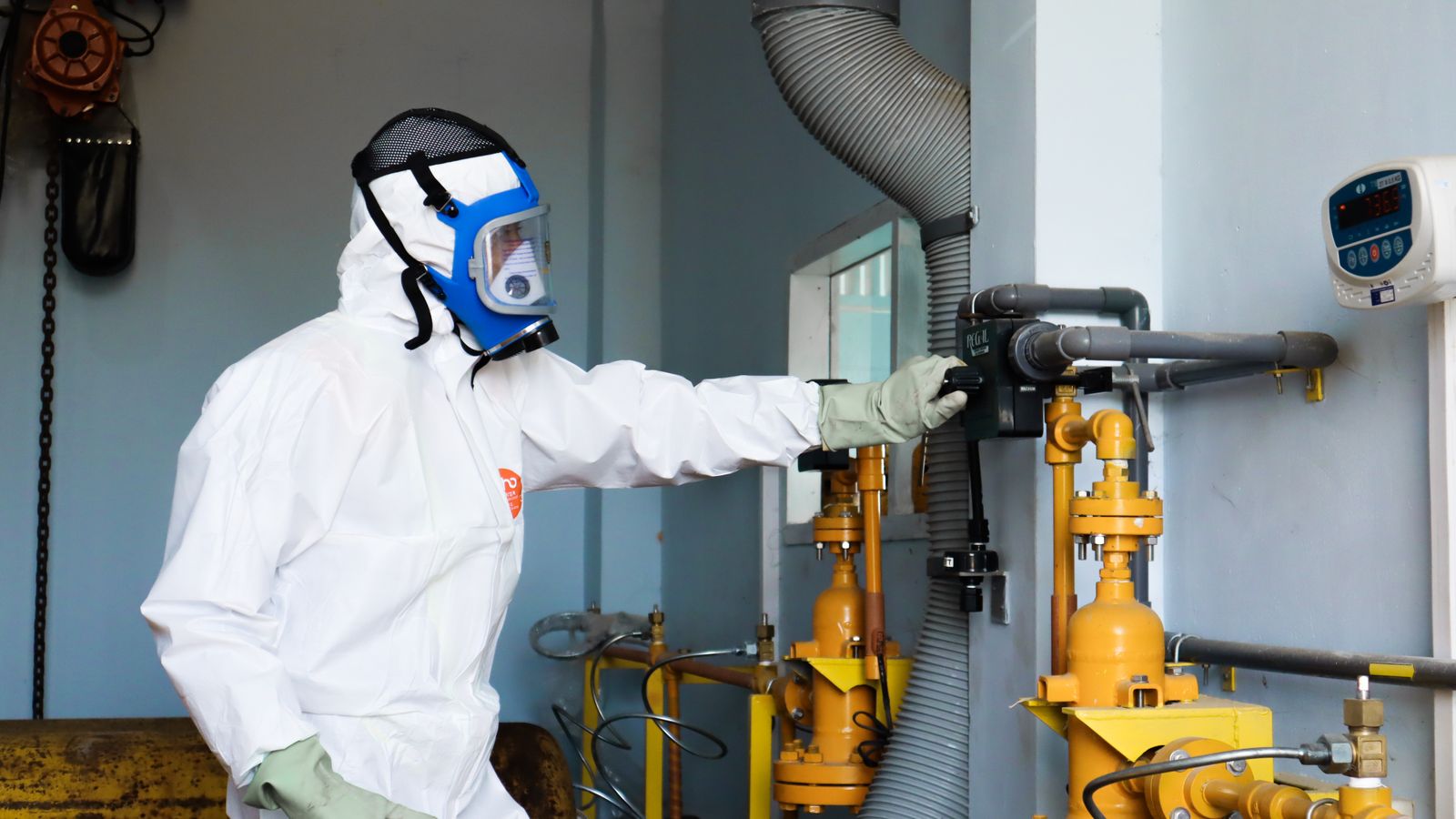
Portable gas detectors are often treated as equipment that makes a site safe simply by being present. In confined spaces and maintenance areas, however, the atmosphere can change quickly; ownership is not a safety decision.
Wider use can help teams detect hazards earlier and standardize the decision to enter a work area. The benefit comes only when risk assessment, measurement, ventilation, respiratory protection, records, and retesting form one operating process.
Earlier decisions based on measurement
Oxygen deficiency cannot reliably be recognized by smell, and workers cannot judge hydrogen sulfide or carbon monoxide concentrations by their senses. A detector available at the point of work replaces “it was safe last time” with a measurable entry decision. Korean rules require oxygen and hazardous-gas measurement and assessment before confined-space work. If the air is not acceptable, ventilation or appropriate supplied-air respiratory protection is required. A detector starts that decision; it does not replace the response.
A reading is not automatic permission to work
Common multigas instruments may measure oxygen, combustibles, carbon monoxide, and hydrogen sulfide, but that set does not cover every process. Ammonia in refrigeration, chlorine in water treatment, VOCs in coating and cleaning, and carbon dioxide in fermentation or extinguishing systems may require separate assessment. Select sensors from process information, SDSs, ventilation conditions, and incident history—not from a one-size-fits-all purchase list.
Measurement must connect to permits and action
Record who measured, when, where, with which instrument, and what followed. Repeated alarms or time-specific changes can reveal poor ventilation or flawed work methods. Consider gas density and airflow; one normal reading cannot prove an entire space safe.
Testing and calibration sustain trust
Sensor ageing, contamination, impact, temperature, humidity, batteries, and expired test gas can affect results. A bump test confirms that sensors and alarms respond to test gas; calibration adjusts measurement performance and serves a different purpose. Failed instruments should be removed from service.
Practical checklist
Include likely generated or introduced gases in risk assessment.
Match sensor selection to SDSs and actual hazards.
Measure before entry and after conditions change.
Record readings, time, operator, instrument ID, and actions.
Define stop-work, evacuation, ventilation, and retest actions.
Follow manufacturer instructions for bump tests and calibration.
Never use a detector instead of ventilation, respiratory protection, attendants, or rescue planning.
Conclusion
Portable detectors can bring hazard recognition and pre-job decisions forward. Safety improves only when suitable sensor selection, correct measurement, action after alarms, and reliable maintenance records work together.