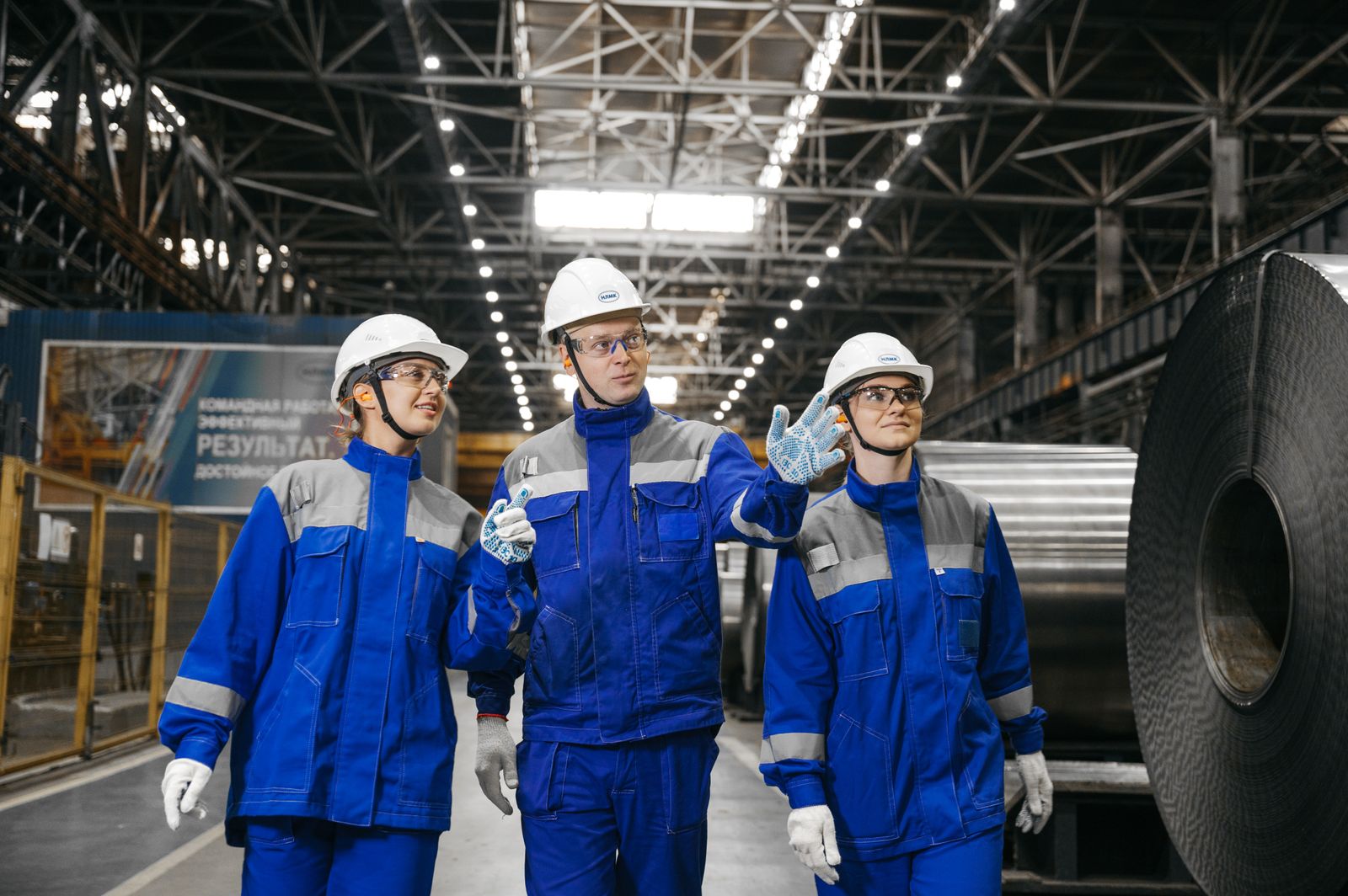
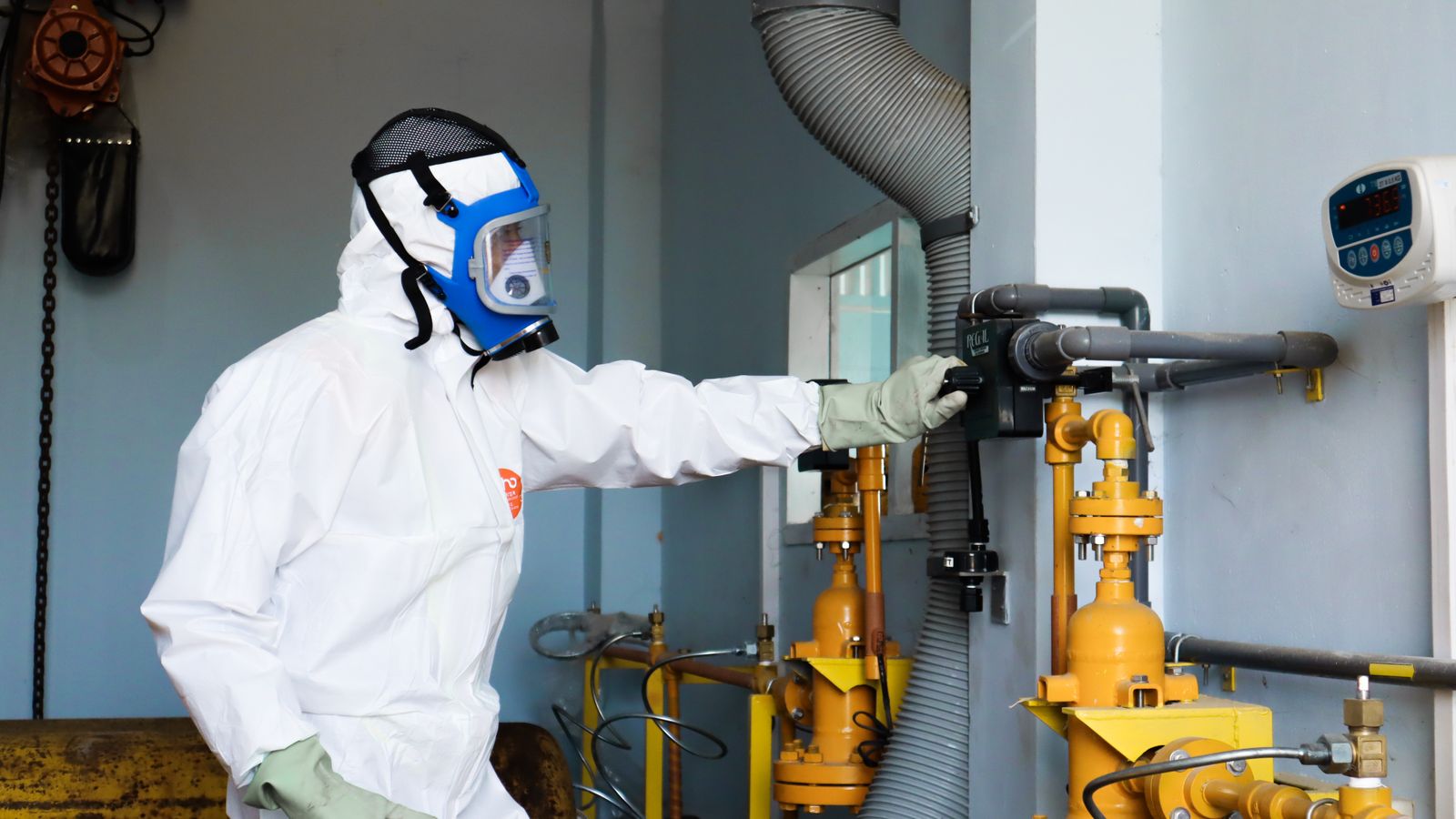
Expanding access to portable gas detectors takes more than purchasing devices. Learn how to design risk-based deployment, training, maintenance and implementation checks around Korea’s existing confined-space rules.
Portable gas detectors can make hazards visible earlier. Their safety value depends on risk assessment, ventilation, training, testing, and records working together.
Climate-tech competitiveness cannot be protected by a single patent. This article explains how to design an IP portfolio that combines algorithms, field know-how, data rights, and software through distinct legal, contractual, and technical measures.
Climate-tech localization is not translation: it aligns certification, sensors, husbandry conditions, carbon methodology, and data as one Evidence Chain.
Japan may be favorable as the first overseas market for a barn-sensor and low-methane-feed verification platform, but Australia and New Zealand move up depending on whether the goal is grazing technology or methodology co-development.
The first overseas market should be the country where a narrow customer segment can validate regulatory, field, data, channel, service, and payment hypotheses fastest and most cheaply.
Series A is not about a large market graph; it is about showing the seven numbers covering customer value, repeatability, unit economics, technical and carbon evidence, and capital efficiency in one calculation system.
How climate-tech startups can combine policy finance, government R&D, guarantees, loans, and equity across technology development, validation, and commercialization.
Patents, demonstrations, paid sales, renewals, and standardization are not repetitions of the same success; they are evidence stages that reduce different risks. This article explains what each stage proves and what it does not yet prove.
This article explains how to calculate six cost structures—equipment, installation, field support, data operations, verification, and partner allocation—on a contract basis.
Monetizing Carbon Data is not the same as handing over raw sensor values to a third party. We explain how to protect rights and trust while providing calculations, quality checks, evidence packages, workflows and benchmarks as a service.
In climate-tech B2B sales, direct sales and partner channels are a combination of learning speed, customer trust, field service, and expansion cost—not a simple ranking. This article sets out staged channel choices and transition criteria.
A first Reference Farm is worth more than its contract value. This article explains how to calculate the value of risk-reducing evidence, reusable sales assets, operating standards, and data assets, while deducting the costs required to create them.
Large corporate buyers check a bundle of evidence linking claims, methods, sites, data, security, and commercial conditions rather than a single piece of performance data. We summarize how to design an Evidence Package for each purchase stage.
Most adoption costs for a livestock methane platform may arise beyond the sensor’s purchase price. Total adoption cost must include site assessments, integration, training, data preparation, verification and change management.
Expansion into a feed company’s farm network requires standardizing variables in installation, data, effects, and contracts—not simply copying the first farm’s success.
Outcome-based contracts pay for verified results rather than equipment installation, but they fail when uncontrollable variables and measurement uncertainty are shifted entirely onto the supplier.
Methane verification services cannot be priced solely by sensor count or a percentage of the reduction volume. A repeatable pricing structure must separate verification scope, document readiness, field risk, assurance level, and rework.
The recipient of a livestock methane verification invoice may differ from the party that bears its economic cost. A Buyer Map should connect the value and evidence requirements of farms, feed companies, buying companies, financial institutions, and credit buyers.
When climate information is linked to general-purpose financial reporting, Carbon Data is also required to define, authorize, document, manage changes, and control settlements. Outline why CFOs require internal controls and how to connect to field data.
A feed company’s Scope 3 emissions cannot be explained by the weight of feed sold alone. Tracking enteric fermentation, manure and productivity changes at the farm level makes it possible to manage supply-chain reductions separately from product effects.
Trust in a carbon-reduction claim comes not from forceful green language, but from data using the same boundary as the claim, a baseline, calculation lineage, independent review, and disclosure of limitations.
Scaling Carbon Data globally is not a matter of copying it from a server in one country to another. Legal transfer grounds, meaning-preserving schemas, calculation lineage, permissions, and regional operations must be designed together.
This article defines Cash, Evidence, and Data as management-design hypotheses rather than confirmed AI Safety Korea results, and explains how to operate the three reinforcing loops while controlling exaggeration and data risk.
How to design a monthly climate-tech KPI dashboard as a decision tool that assesses cash, execution, climate impact, evidence quality, and risk together, rather than merely listing revenue and reductions.
This article examines the gaps created when livestock greenhouse gas mitigation and climate adaptation are pursued separately, and explains how to connect farm operations, animal health, methane data, and investment decisions in one system.
Higher carbon prices increase methane-abatement revenue but do not automatically make a project viable. Scenarios at KRW 30,000, 50,000, and 100,000 are calculated using abatement volume, issuance rate, costs, and revenue allocation.
Methane mitigation outcomes do not automatically belong to the party that installed the sensors or paid the costs. This article examines how farmers, feed companies, and platforms can allocate data, environmental attributes, credits, and claim rights by contract.
Paris Agreement Article 6 requires not only measurement of agricultural methane reductions, but also national authorization, corresponding adjustments, registry tracking, and sustainable-development information. This article examines project-readiness steps.