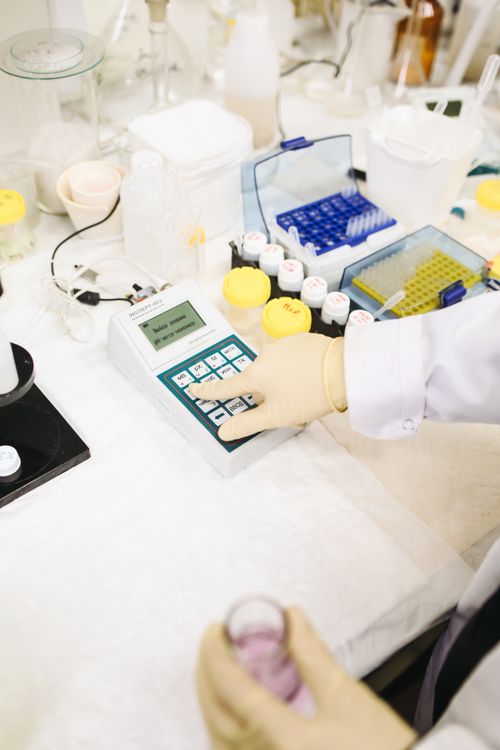
Installing gas sensors in a livestock barn and displaying readings does not, by itself, complete a carbon management technology. It is also necessary to explain whether the sensors represent conditions on site, whether a change is due to ventilation or feed, and whether another person can check the analysis using the same data. This is why industrial measurement experience and data analysis capabilities are both needed.
AI Safety Korea's technical strength lies in connecting gas measurement experience with livestock methane monitoring, AI analysis and carbon data management. Its CEO's 27-year career, registered methane monitoring patents and field partnerships provide a foundation for this direction. This article examines which problems that documented foundation can help address and what must be demonstrated to turn it into practical competitiveness.
27 years of experience can inform how readings are evaluated
CEO Lee Bong-jun has 27 years of experience working in the gas detection business. Here, 27 years refers to his personal career, not the age of AI Safety Korea or the operating history of its livestock methane system. The company has publicly outlined a direction that extends this industrial gas measurement experience into livestock methane and carbon data. About AI Safety Korea
In field gas measurement, conditions of use matter as much as equipment specifications. Even with the same sensor, interpretation can depend on installation location, measurement range, temperature, humidity, contamination and calibration status. Whether a sensor displays numbers normally and whether those numbers are fit for a decision are separate questions.
The US Occupational Safety and Health Administration's guidance on portable gas monitors also emphasizes testing and calibration according to manufacturers' instructions and functional checks using test gas of a known concentration. Although this guidance concerns industrial safety equipment, it illustrates a basic principle: reliable readings require management of both instrument condition and measurement conditions. OSHA testing and calibration guidance
AI Safety Korea can turn this experience into competitiveness by making field judgment repeatable. Experience documented as sensor selection criteria, installation checklists, calibration histories and rules for reviewing unusual readings becomes a technical asset that remains useful as staff change or installation sites increase.
Applying industrial safety measurement to livestock starts with redesigning its purpose
Industrial safety gas measurement and livestock methane research ask different questions, even when they deal with the same gas. Safety measurement focuses on detecting hazardous concentrations in time. Carbon management requires comparison of emissions over a period and the effects of mitigation activities.
This difference affects sensor selection from the outset. It is necessary to check whether equipment intended to monitor explosion hazards can distinguish small methane concentration changes in a barn, and whether its measurement intervals and response time suit the research purpose. Dust, moisture, animal movement, feeding, cleaning and seasonal ventilation changes must also be considered.
Installing industrial equipment in a barn and designing a livestock measurement system are therefore distinct steps. Existing gas measurement knowledge provides a starting point; comparative testing and field validation adapted to livestock conditions establish whether it can be applied.
AI Safety Korea's publicly described development direction includes continuous collection of methane and environmental data, sensor variation and correction, and management of missing data and outliers. By addressing these items together, its approach can be understood as connecting field measurement conditions with subsequent analysis. AI Safety Korea technology overview
Two registered patents provide a technical foundation for monitoring and before-and-after comparison
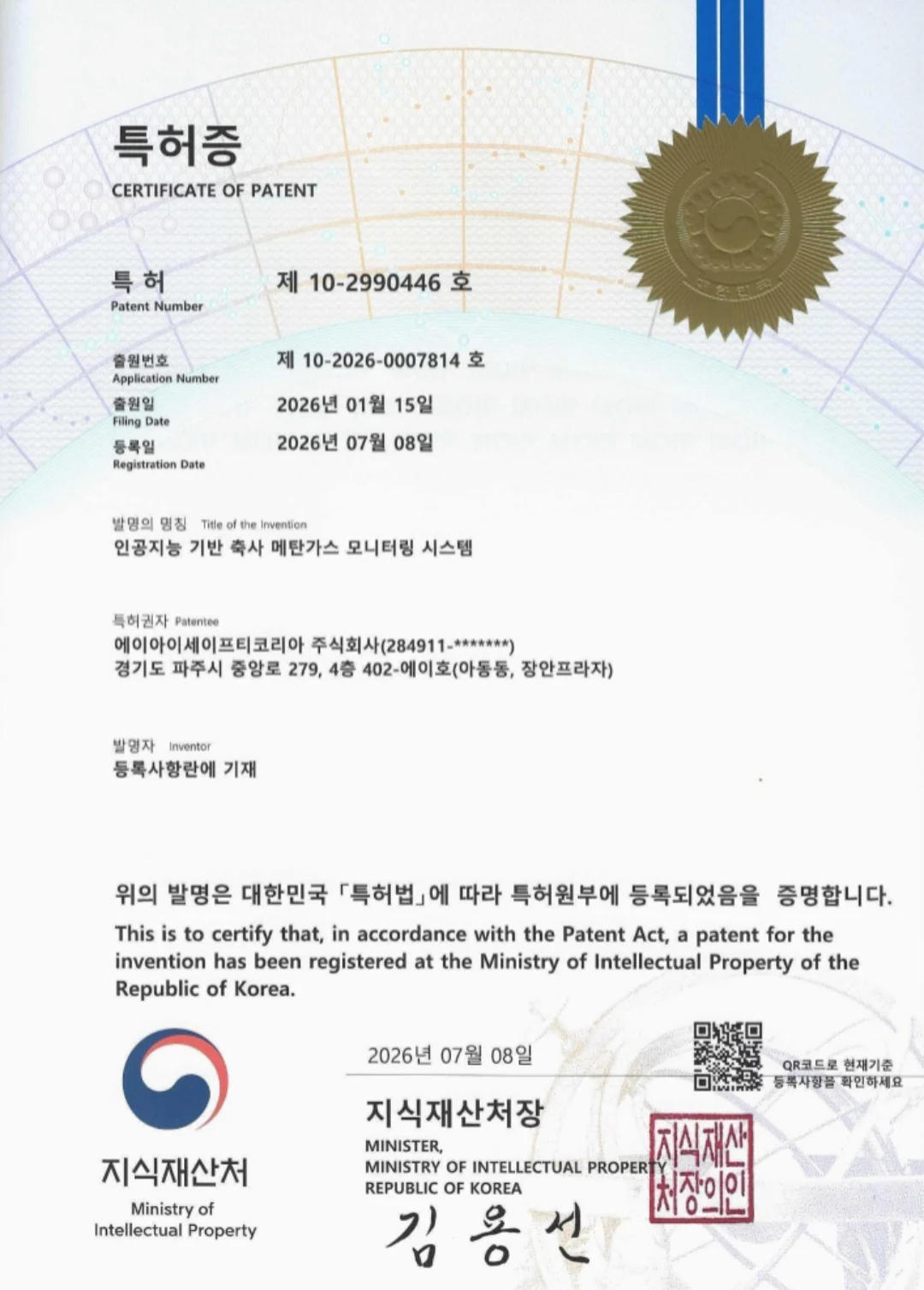
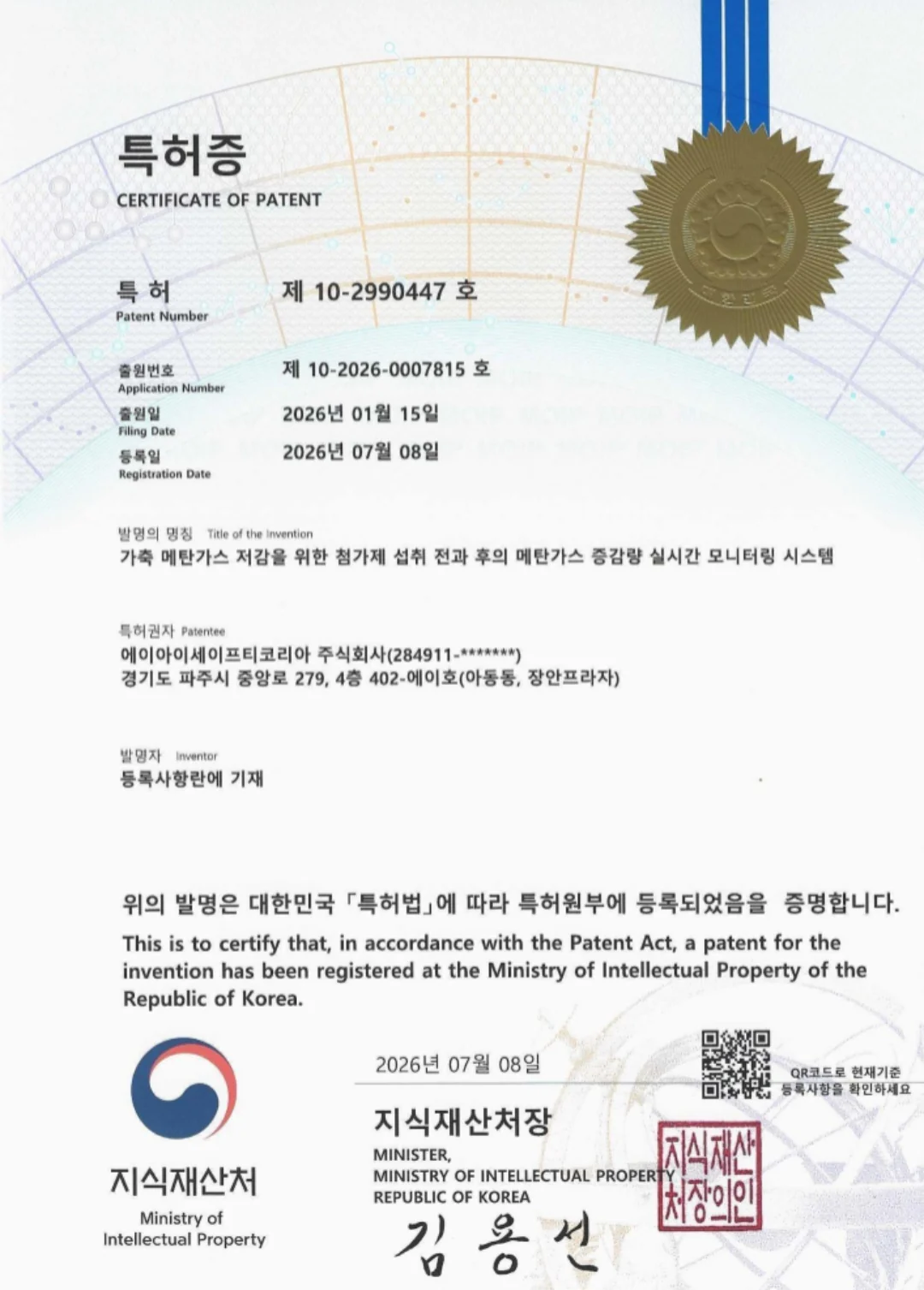
The following two registered patents are confirmed by the publicly available patent certificates. Both certificates show a registration date of July 8, 2026.
No. 10-2990446: AI-based livestock barn methane gas monitoring system.
No. 10-2990447: Real-time monitoring system for increases and decreases in methane gas before and after livestock consume an additive intended to reduce methane gas.
The first invention title combines barn methane monitoring with AI; the second addresses observing changes before and after additive use. These point to two connected technical questions: how to observe conditions on site and how to compare conditions before and after mitigation activities. First patent certificate, second patent certificate
Registration is an important intellectual property foundation. A patent certificate alone, however, cannot establish the accuracy of a particular sensor, AI predictive performance or mitigation effects across all farms. The specific scope of rights must be assessed against the claims, while product performance requires separate test evidence.
From a business perspective, the link between patents and implementation matters. The technical explanation becomes more persuasive when it documents which devices and software implement the relevant functions, under what field conditions they were tested and how operational problems were resolved.
NexVue's development direction connects field observations with data interpretation
Through NexVue, AI Safety Korea presents a platform direction connecting livestock methane measurement, AI-based analysis and carbon data management. This can be understood through four stages of data handling. The following structure explains the publicly stated development direction; it does not mean that commercial operation of every function has been verified.
The first stage is field observation. Methane concentration, measurement time, location and device status are recorded and linked to temperature, humidity, ventilation and animal husbandry information needed for interpretation. Understanding why concentrations change requires access to field conditions for the same time period.
The second stage is data quality management. Communication gaps, devices undergoing calibration, out-of-range measurements and unusual readings requiring review are distinguished. Reasons must be recorded for values that are corrected or excluded.
The third stage is analysis and comparison. It identifies patterns of change and potential anomalies and checks whether conditions allow comparison before and after mitigation activities. The fourth is reporting and traceability, making it possible to work back from a reported result to the measurements and calculations behind it.
The practical value of this connection is that farm staff, researchers and data reviewers can use the same records for different purposes. The figures and analysis examples in the current public demo should be treated as illustrations of the service structure, distinct from actual farm mitigation results.
AI's value begins with identifying issues for review more accurately
Barn data may contain both genuine environmental changes and equipment anomalies. When methane concentration suddenly falls, it is necessary to determine whether this reflects a mitigation activity, increased ventilation or a change in sensor condition. Identifying the intervals and related variables that people should review first is one useful role for AI.
For example, analysis may examine differences between sensor patterns, recurring missing data, changes around feeding times and abrupt readings inconsistent with environmental conditions. Linking AI-flagged potential anomalies to field staff's findings creates evidence that can improve subsequent analysis.
Performance evaluation must reflect actual conditions of use. Working well on data from a farm used for training is different from working well on another farm or in another season. NIST's AI Risk Management Framework likewise emphasizes test data and evaluation methods representative of anticipated use environments, together with ongoing monitoring after deployment. NIST guidance on AI trustworthiness
AI Safety Korea's AI competitiveness can be explained using the same criteria. Field users can judge the results when analytical accuracy is presented alongside false alarms, missed anomalies, applicable environments and the scope of required human review.
Carbon data becomes more valuable when calculation evidence can be checked again
Methane concentration describes the proportion of methane in the air at a particular location. Estimating methane emissions over a period may require additional information such as ventilation flow, background concentration and temporal and spatial representativeness, depending on the measurement boundary and method. Claims of mitigation performance also require a comparison basis and uncertainty assessment.
Suppose methane concentration in a barn falls after low-carbon feed is introduced. If ventilation increases or animal numbers decrease during the same period, attributing the entire observed change to the feed is difficult. This is an example of a data interpretation procedure, not a result from a particular farm.
In this situation, a platform should help users examine feeding records, animal numbers and ventilation conditions together and identify comparable periods. Corrected values must be distinguished from raw data, with the assumptions and calculation methods retained. The GHG Protocol also provides a separate accounting framework for quantifying the effects of project mitigation activities. GHG Protocol Project Protocol
Digitalizing measurement, reporting and verification (MRV) helps organize data collection and review. External verifiers use that evidence to assess the methods and results. The value of the carbon data business AI Safety Korea is pursuing lies in improving traceability and reviewability throughout this process.
Field partnerships provide a basis for improving technology and testing competitiveness
The company's publicly described partnerships include joint research and development with Namseoul University, development and production cooperation with a Korean gas detector specialist, and farm partnerships in Sejong, Buan and Paju. These can provide a foundation connecting research, equipment and application sites. AI Safety Korea research and field partnerships
Their technical value emerges when problems found at each site inform the next design. Installation and operational problems in barns lead to equipment improvements; comparison conditions identified in research change the data collected; and limitations in analytical results help define subsequent field trials.
These connections also matter when evaluating competitiveness. Beyond equipment supply and software analysis each working well, it is important that the cycle of finding a field problem's cause, correcting it and checking the result can be repeated reliably.
Practical comparison criteria include fitness for the measurement purpose, the proportion of valid data obtained, inspection burden, data review time and maintenance costs. Comparable evidence under the same conditions can support claims of an accuracy or cost advantage. The currently disclosed foundation is a starting point for such validation; quantitative competitive advantages must be established through test and operational data.
Implementation checklist
When reviewing AI Safety Korea's technology for joint research or field adoption, examine the following evidence.
Document the measurement purpose and evaluation boundaries, such as farm, barn or individual animal.
Check sensor range, resolution and test results under different field conditions.
Link installation locations with calibration, inspection and equipment replacement histories.
Distinguish raw data, corrected values, estimates and missing-data intervals.
Define how to obtain operational records needed for analysis, including feeding, animal numbers and ventilation.
Check the farms and periods used for AI evaluation and the scope of separate test data.
Record the baseline, methodology and uncertainty used to calculate mitigation.
Check whether reports can be traced back to raw data and calculation versions.
Distinguish functions under development, in field trials and in actual operation when defining acceptance criteria.
Confirm operating costs and responsible personnel, including inspection, calibration, communication and analysis.
Conclusion
AI Safety Korea's innovation direction extends its CEO's 27 years of gas detection experience into measurement design for livestock settings and connects it with patent-based monitoring, AI analysis and carbon data management. Registered patents and research, industry and farm partnerships provide concrete foundations for developing these connections.
Future competitiveness will be strengthened by demonstrating repeatable field performance on that foundation. As the company builds systems that explain measurement conditions, manage data quality and allow analytical evidence to be checked again, the technology's practical value for farms, research institutions and business partners can grow.
Sources
AI Safety Korea, company, technology and partnership overview — publicly described career background, technology development direction and partnerships.
AI Safety Korea public materials, certificate for patent No. 10-2990446 — invention title and registration date.
AI Safety Korea public materials, certificate for patent No. 10-2990447 — invention title and registration date.
OSHA, Calibrating and Testing Direct-Reading Portable Gas Monitors — testing and calibration principles for industrial safety gas monitors.
NIST, AI Risks and Trustworthiness — AI validity, reliability and evaluation reflecting intended use environments.
GHG Protocol, Project Protocol — a framework for quantifying project greenhouse gas mitigation effects.