
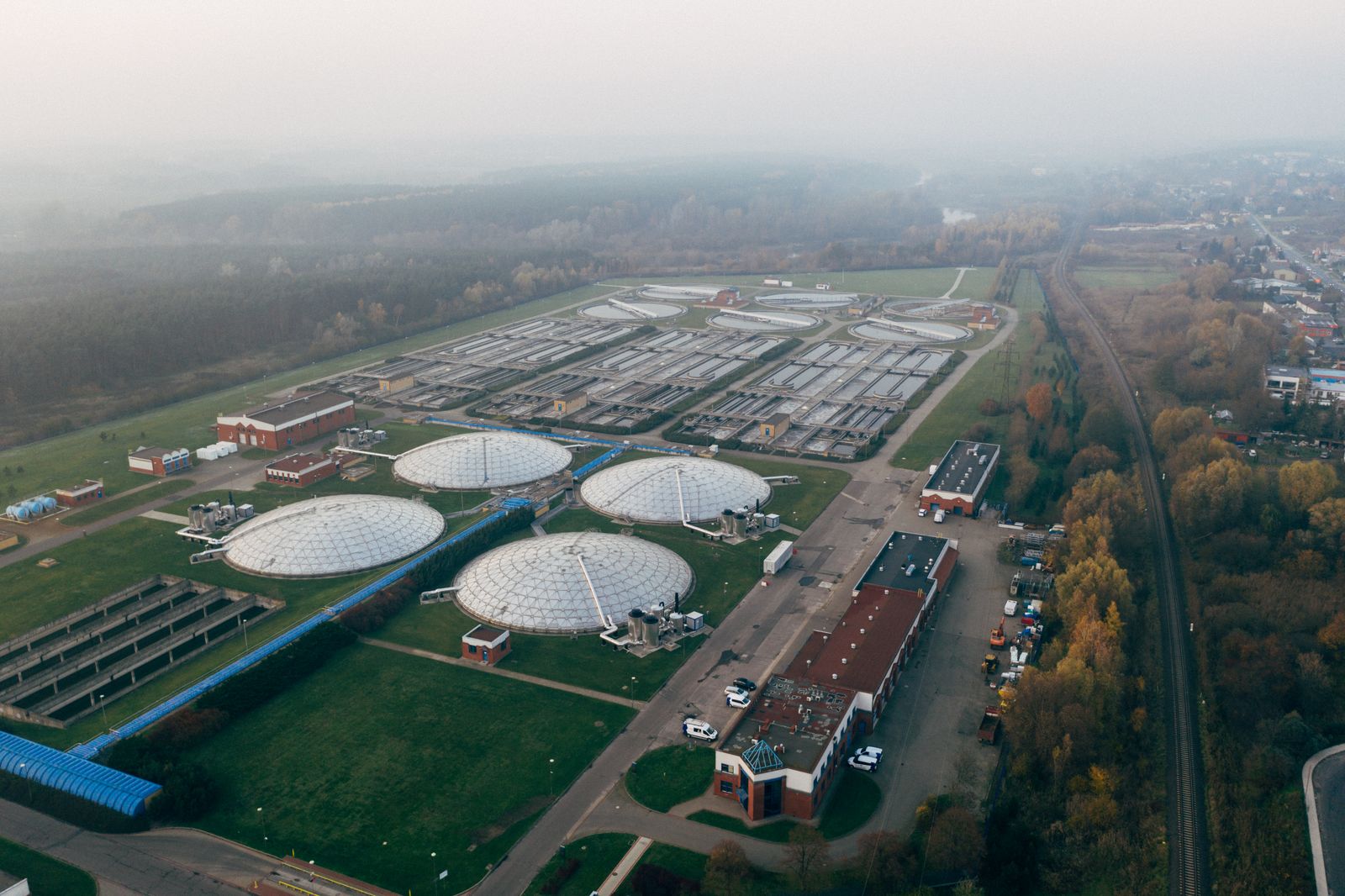
Why might internal inspection remain inappropriate after a tank is emptied and cleaned? Removing liquid differs from resolving residual vapor, oxygen conditions and inflow hazards through connected piping.
Portable gas detector tank testing must distinguish contents history and residues, cleaning, oxygen displacement and possible re-entry of substances by stage. Results describe the conditions at that stage. A single “gas-free” stamp cannot guarantee every tank hazard or the safety of later processes.
1. Contents history comes before an empty tank
Collect the tank number, last contents, earlier contents, cleaners and connected piping information. An apparently dry interior does not prove deposits, material remaining in piping or crevice residues have disappeared. Complete missing evaluation information before selecting equipment.
Safety data sheets are a starting point for reviewing expected vapors, toxicity and reactivity. Possessing them does not fully explain actual mixtures or residual conditions. Check them alongside actual input and discharge history known to process personnel.
The UK HSE confined-space guide addresses isolation of inflow alongside pre-entry preparation. This article uses it to organize questions for tank work documentation, rather than replace Korean statutory requirements or process-specific cleaning procedures. HSE confined-space safety guide
2. Oxygen displacement and breathable working air have different purposes
Some processes use inert gas to reduce tank fire and explosion risks. Oxygen displacement is a process measure, not evidence that breathable air has been created. HSE describes inerting as reducing oxygen concentration and separately addresses controls when people must enter. HSE Inerting
Do not directly connect “low combustible reading” with “people may enter.” Review oxygen and toxic substances separately, and establish whether the sensors operate validly in that environment. Oxygen conditions can affect measurement depending on combustible sensor type; compare specific limits with the model manual.
Rather than loosely mixing “purging,” “displacement” and “ventilation,” record the supplied gas, purpose, start and stop times and current valve positions. Incoming personnel must understand what gas established which conditions. Record the process gas designation separately from the tank's actual state.
3. Measurements before and after cleaning answer different questions
Before cleaning, identify residues and expected contaminants and assess hazards of the method. After cleaning, verify actual work conditions in the changed state. Even identical locations and instruments require different interpretation when conditions differ.
If cleaners change, check detection of additional substances. Do not assume an oxygen, combustible-gas, carbon monoxide and hydrogen sulfide configuration identifies every solvent vapor or assesses its toxic exposure. Keep undetectable substances as separate evaluation targets.
Stage | First checks | Conditions to record |
|---|---|---|
After contents discharge | Residues, deposits and connections | Contents history and unknown areas |
Cleaning preparation | Cleaning substances and method | Cleaner and expected additional hazards |
After cleaning | Residual vapors and work location | Cleaning completion time and ventilation |
After displacement changes | Supplied gas and oxygen condition | Transition time, valves and evaluation results |
Before internal work | Actual task and all controls | Measurements, isolation, monitoring and emergency readiness |
After scope change | Welding, painting, reconnection and other changes | Changes, reassessment and restart decision |
This table proposes linking stage records. Do not use it as an approval table implying entry follows from a particular measure alone. Necessary actions and evaluation sequence vary with substances, structure and work.
4. Review measurement locations around baffles and connections
An upper opening reading cannot readily describe the whole tank. Mark baffles, partitions, low floor areas, internal structures and connecting nozzles where airflow and residues differ. Responsible personnel must determine how to assess difficult-access areas.
Link selected locations to sampling methods and equipment conditions. Check hose length, material, flow and moisture management, allowing time for transport and response after moving. See OSHA atmospheric testing procedures for basic instrument response principles.
Record differences between testing points and actual worker locations. “Internal measurement” does not distinguish upper remote sampling from a worker's breathing-zone monitoring. Describing purpose and location clarifies retesting and handover criteria.
5. Manage re-entry of substances and additional work as change events
Connected piping, valve operation, adjacent processes and added cleaners can change conditions after measurement. Verify isolation before work and define who may make which changes. Use matching tank and job numbers on isolation and measurement records to avoid mixing equipment information.
Added painting or welding changes more than measurement targets. Review ventilation, ignition sources, worker exposure, process-specific permits and protective measures together. Welding in particular may involve fumes and other hazards a portable detector cannot fully assess.
Define who can request retesting and conditions that suspend the previous judgment. On alarms or abnormalities, stop and evacuate under site procedures instead of remaining inside to investigate. Lower readings alone do not determine restart; assess causes, controls and required evaluation together.
When handing tank data to outside contractors, align the reference times for state changes. A cleaner's completion report, process team's isolation confirmation and tester's results may concern different times. Do not assume current status from document order; compare the latest actual equipment check time and scope.
Mark unverified points separately on drawings. Rather than filling inaccessible spaces with neighboring values, record the need for further evaluation and its owner. Showing specific gaps supports reduced work scope or alternative access. Recording hold reasons tells the next team what must be resolved before retrying under the same conditions.
6. Hypothetical example: nitrogen piping reconnected after cleaning
Suppose a hypothetical tank team prepares for internal inspection the day after receiving post-cleaning results. Another process team reconnects nitrogen piping in between, but the inspection team assumes yesterday's documents describe the same state. This is a change-management review assumption, not a reconstruction of an actual customer or accident.
The teams are viewing the tank at different times. Hold work and verify current supply, isolation, expected oxygen conditions and the testing plan. Piping reconnection is an event requiring review of continued applicability of the previous assessment, rather than just a note in a remarks field.
Records can distinguish cleaning completion, last condition change, measurement confirmation and work-decision times. These four times need not match, but intervening changes must be explained. Also record who reviewed the history and who makes the next judgment.
Action checklist
[ ] Verify tank number, contents, cleaners and connected piping history.
[ ] Mark residues and unknown areas on drawings.
[ ] Distinguish oxygen displacement purpose and current supplied gas.
[ ] Compare expected substances with sensor capability.
[ ] Record conditions and purposes before and after cleaning separately.
[ ] Review sampling conditions and response verification methods.
[ ] Define changes for inflow, piping reconnection and added processes.
[ ] Confirm stop, evacuation, restart and emergency responsibilities.
See infrared versus catalytic sensors for sensor differences, and the confined-space measurement form for state-change records.
Conclusion
Tank measurement requires separating “emptied” and “cleaned” completion marks from actual work conditions. Contents history, displacement state, residues and connected-piping changes must be explained for readings to have clear meaning.
Review measurements alongside isolation, ventilation, monitoring and emergency response. Without connected stage records and change management, yesterday's normal values cannot make today's decision.
Sources
UK HSE, Confined spaces: A brief guide to working safely: inflow isolation and work preparation reference.
UK HSE, Inerting: inerting and oxygen reduction reference.
US OSHA, Procedures for Atmospheric Testing: instrument specificity and response considerations. Overseas material is not presented as Korean statutory entry criteria.