
The absence of an alarm during a pump station patrol does not justify taking the same instrument straight into debris removal inside a wet well. Air along a walkway differs from air inside equipment, and disturbing a blockage changes conditions again.
When deploying portable gas detectors at wastewater plants, separate personal patrol monitoring from pre-entry assessment for confined equipment maintenance. This article explains how location and task determine sensors, measurement methods and stopping conditions, rather than comparing individual instrument performance.
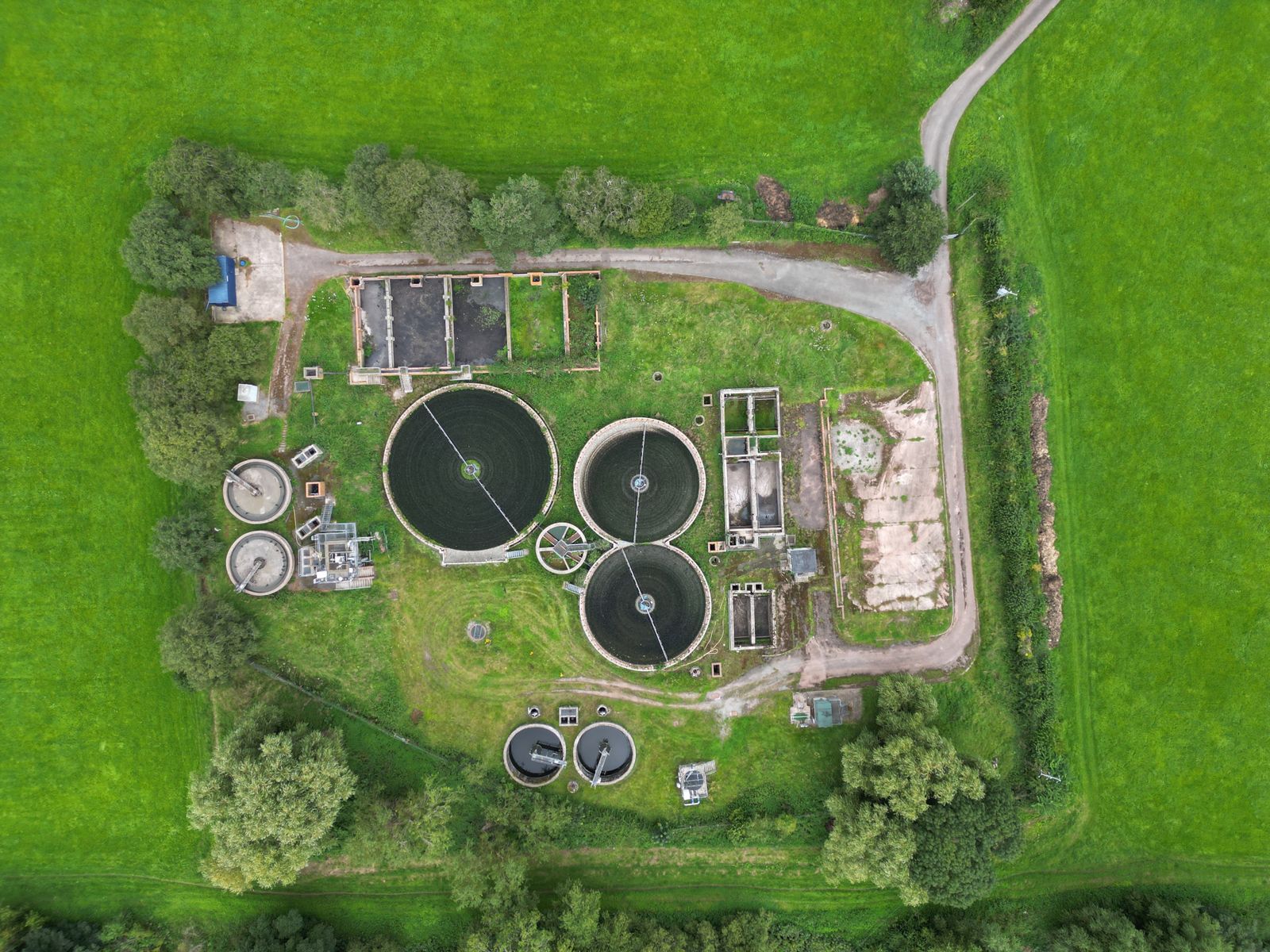
Do not treat the whole wastewater plant as one gas environment
First divide processes into inlet works, pump stations, sludge handling and chemical handling, rather than relying on the plant's name. OSHA identifies sewage, wastewater treatment and sludge work as potential hydrogen sulfide exposure activities. Influent, residues, airflow and equipment opening differ within a facility, so one sensor configuration cannot readily describe every area. OSHA work involving hydrogen sulfide
Managers should separately mark normal walkways, equipment to be opened and potential entry spaces on a route map. This is not an odor map: it connects each person and task to the atmospheric hazards requiring review. Provide outside maintenance contractors with inflow changes and equipment faults known to patrol teams too.
Reduced hydrogen sulfide odor is not evidence of falling concentration. The sense of smell can lose its warning function, and gas may accumulate in low or poorly ventilated spaces. Moving one's face toward an opening to smell it cannot replace measurement. OSHA hydrogen sulfide overview
Detector roles differ between patrols and entry
During routine patrols, worn instruments alert workers to changing air as they move. Preparing work inside wet wells or pump rooms instead requires atmospheric assessment from a safe outside position and checking whether it represents the actual work area. Briefly moving a chest-worn diffusion detector near an opening does not establish that the whole interior was tested.
The table below offers an initial classification for planning. It does not replace permits or statutory forms; assess entry by space structure and work method too.
Work scene | First question | Detector operation and separate controls |
|---|---|---|
External walkway patrol | Does the route pass openings or leak sources? | Personal monitoring and alarm evacuation routes |
Opening pump covers | Can opening release gas outside? | Access control and assessment from safety |
Debris removal | Will deposits or fluids be disturbed? | Before-and-after change monitoring and machinery stop verification |
Internal pump replacement | Will someone enter the equipment? | Review entry plan, isolation, ventilation, attendants and rescue |
Chemical equipment servicing | Do available sensors measure handled chemicals? | Check safety data sheets and dedicated measurement needs |
Recording task type when issuing instruments reduces assumptions that patrol issue also authorizes maintenance use. Compare additional assessment targets with active channels and leave unsupported substances for separate evaluation.
Are hydrogen sulfide and oxygen checks sufficient?
Oxygen and hydrogen sulfide matter, but their two values cannot assess every process hazard. Review combustible atmospheres, additional chemicals and possible incoming contaminants. Multigas detector channels vary by instrument, so read actual sensor names and units rather than relying on “multigas.”
Check the combustible channel's calibration gas and response data for expected gases. A hydrogen sulfide channel does not guarantee detection in an area where ammonia or a particular chemical is the issue. Start from safety data sheets, inflow history and earlier evaluations rather than arbitrarily adding substances absent from process information.
Detectors do not resolve physical hazards either. Entrapment in debris, unexpected pump starting, flooding, drowning, slips and biological exposure need separate controls. Favorable atmospheric results do not eliminate energy isolation and fall protection checks.
Changes matter in debris removal and maintenance
Sewer systems can be affected by external inflow. OSHA's sewer entry appendix also explains the difficulty of complete isolation and unexpected atmospheric changes. This US guidance is not directly transferred into Korean alarm values or statutory procedures. OSHA sewer system entry guidance
Predefine change events in operations. Record inflow changes, blockage clearing, sludge movement, ventilation stoppage, long breaks and movement of work locations as reassessment triggers. “Measured once in the morning” does not explain afternoon debris removal conditions.
Record pump operation and ventilation alongside time and location. Keep readings before cover opening, after opening and trends after work begins separate. On alarms, first follow planned evacuation and communication; do not remain near the opening to investigate.
Hypothetical example: wet-well pump replacement absent from the patrol sheet
Suppose hypothetical team A finds abnormal pump vibration while patrolling external walkways. The initial plan is visual inspection, but someone proposes removing debris and replacing the pump. Carrying the patrol's measurement-completed mark into maintenance approval hides the scope change.
The team stops and rechecks entry need, inflow and power isolation, expected gases and available sensors, external measurement capability and monitoring during work. If entry is required without rescue planning or suitable sensors, preparation remains incomplete. Changing alarm settings must not substitute for missing preparation.
The record below tracks why plans changed and who decided on restart, beyond merely collecting measurements.
Item | Site entry |
|---|---|
Original task / changed task | Specify external patrol, pump replacement or other work |
Change time / requester | Date, time and responsible role |
Inflow, mechanical and electrical isolation | Verification method and unknowns |
Measurement location / process status | Opening, planned work location, pump and ventilation status |
Instrument identification / sensors | Serial number and active channels |
Stop conditions / contact route | Response to alarms, ventilation stoppage and inflow changes |
Restart review | Evidence resolving incomplete items and responsible person |
This does not reconstruct a particular company's performance or an actual accident. It illustrates changing documents and instrument assignments when the work classification changes.
Connect shared instruments and field records
On receipt, check more than battery: inspect inlet contamination, test history, fault indications and alarm communication. A bump test verifies sensor response and alarms using test gas, with a different purpose from calibration. Establish specific conditions from the instrument manual and site management plan.
Do not immediately hand wet or sludge-covered equipment to the next shift. Check permitted cleaning and inspection scope in the manual; separate units with suspected contamination or high-concentration exposure until normal return is confirmed. Instrument numbers on both measurement and handover sheets make condition at the relevant time traceable.
See confined-space measurement locations and timing for entry testing plans and the confined-space measurement record for recording results. Connect alarm training with evacuation and re-entry decisions after alarms.
Action checklist
[ ] Distinguish patrol routes and potential entry equipment on the map.
[ ] Review additional process and chemical targets beyond hydrogen sulfide.
[ ] Enter actual sensors, units and instrument number on the work sheet.
[ ] Define external testing locations and monitoring during work.
[ ] Record reassessment triggers for debris removal, ventilation stoppage and inflow changes.
[ ] Separately check mechanical and electrical isolation, falls and flooding.
[ ] Workers know alarm evacuation locations and contact personnel.
[ ] Work changes and instrument handover history are traceable in the same record.
Conclusion
Operating portable gas detectors at wastewater plants begins with distinguishing work types, beyond instrument quantities. Separating patrols, openings, debris removal and internal maintenance reveals when sensors and measurement plans need review.
Interpret readings with location, time and process status. Detector use supported by entry planning and rescue arrangements connects measurements to actual work decisions.
Sources
OSHA, Hydrogen Sulfide in Workplaces: potential exposure in sewage and sludge work.
OSHA, Hydrogen Sulfide Overview: odor limitations and gas characteristics.
OSHA, Sewer System Entry, 1910.146 Appendix E: atmospheric changes in connected sewer systems. US reference material, not used as Korean numerical criteria.