If you have been asked to submit GD5 PRO materials, you may wonder whether the product catalog alone is enough. First identify what the recipient wants to know: general product specifications, instructions for use, or measurement results for a particular instrument. Each document can establish a different scope of facts.
A catalog introduces and compares a product family
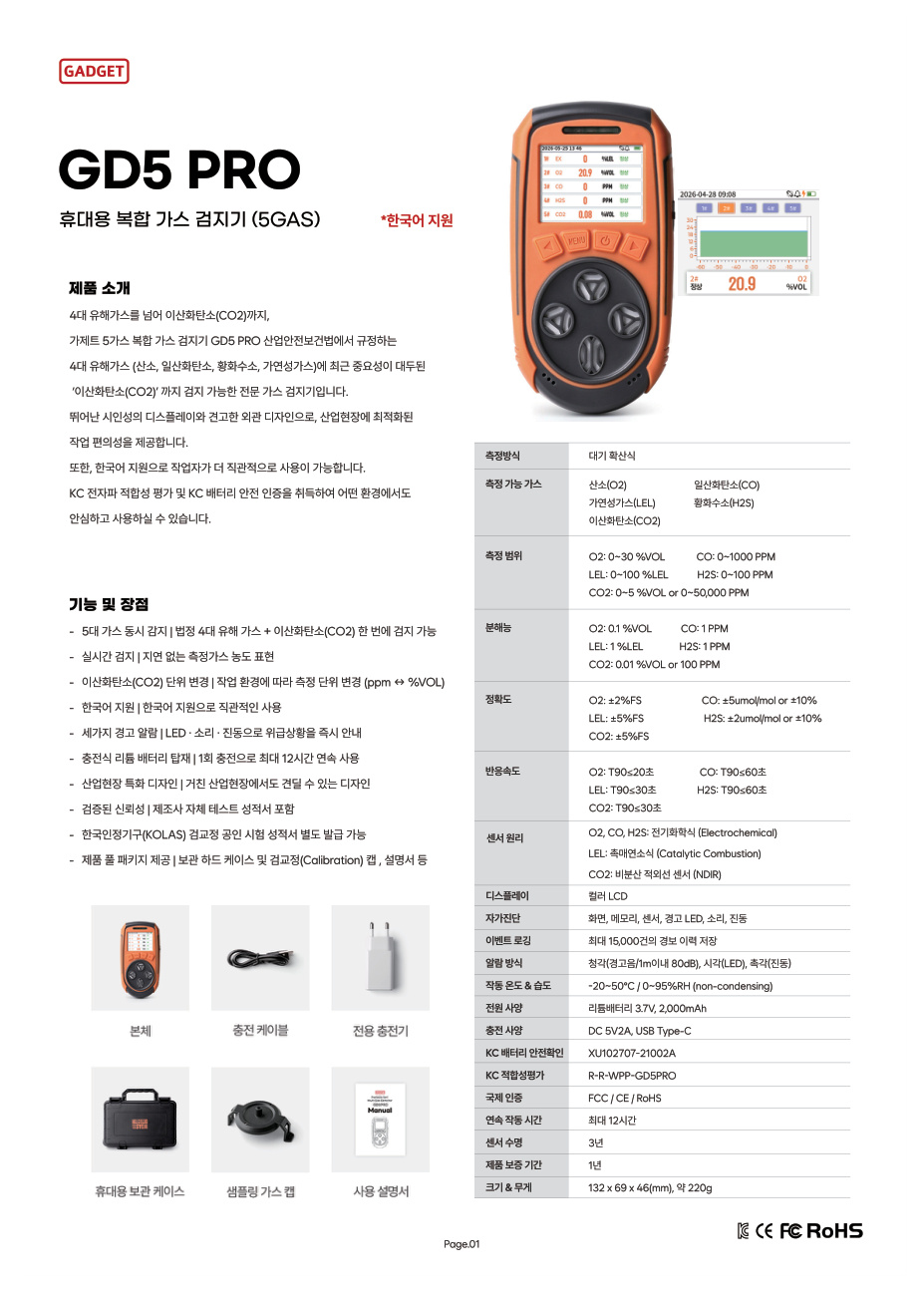
A catalog describes measurement items, appearance, key specifications, and functions at the product-family level. It is useful when a purchaser wants to identify a model or compare basic conditions across instruments. However, a product-family specification sheet is not an individual record showing the calibration result of a particular serial-numbered instrument on a particular date.
For example, if a catalog lists five measurement channels, it tells you about the configuration described for that model. That information alone does not establish which sensors are installed in the unit you plan to submit or whether that individual unit is currently in good condition. Do not combine product specifications and the condition of an individual instrument as though they were facts from one document.
A user manual covers operation and precautions
A user manual helps readers understand the instrument’s displays and functions and check the manufacturer’s specified operating and care procedures. If the request concerns staff training, interpreting the screen, or operating the instrument, the manual for that model is more direct evidence than a catalog.
The manual must match the instrument model, sensor configuration, and applicable revision. Using a manual for a different instrument with a similar appearance or buttons can cause confusion because menu names or alarm indications may differ. The revision date can also help determine whether the document applies to the instrument currently supplied. The file format alone does not guarantee that the manual matches the current model.
A calibration certificate covers indications from a particular instrument
In metrology, calibration establishes the relationship between measurement standards and instrument indications under specified conditions. A product catalog describes model specifications; a certificate records measurement results for the instrument that was tested. A certificate for a different serial number cannot be treated as the result for the unit you intend to submit merely because the product name is the same.
In the certificate, check the instrument identification, gas channels examined, measurement range, and conditions. A result for one channel does not mean that other sensors were also checked. Confirm that the measured item and range match the request. If the request is for results from a particular CO channel, a catalog may show that the model lists that channel, but it does not provide the test value for that specific unit.
Calibration, adjustment, and repair are not the same procedure. Calibration checks the relationship between reference values and instrument indications; it does not mean the instrument was repaired or adjusted. If additional work was performed, check the work record or notes on the certificate. If a KOLAS certificate is required, also check whether the issuing organization’s current scope of accreditation includes the gas and measurement range in question.
Match the wording of the request to the document that can answer it
“Does the product have a CO₂ channel?” is a question for the catalog. “What does this status message mean?” is a question for the manual for that model. “What was this instrument’s calibration result?” calls for a certificate linked to the instrument’s identification. The model, range, and identification in the document matter more than its title or file extension. If the recipient has specified a separate form or issuance condition, check that requirement first.
Certificate results are limited to the points and conditions measured
Calibration is not a guarantee that the instrument will always produce the same result at every possible concentration. It establishes the relationship between reference values and instrument indications under the conditions stated in the document. Read which gas, concentration range, and measurement conditions were tested. Do not automatically extend a result at a particular point to every value across the full range.
For example, if the recipient wants evidence covering a broad range for a particular gas, check that the certificate actually includes that gas and range. The measurement range on a product specification sheet and the measurement points recorded on a calibration certificate are different things. The specification sheet describes the interval the product is designed to display; the certificate records the conditions and results actually measured and compared.
If measurement uncertainty or traceability to a reference instrument is a submission requirement, check whether that information and its applicable conditions appear in the certificate. A document title alone cannot tell you whether the requirement is met. In particular, if accreditation is required, confirm it against the issuer’s currently accredited items and scope. We cannot promise in advance that a particular organization or certificate will be accepted by the recipient.
Document revisions also determine whether they apply to the instrument
Catalogs and user manuals may be updated. If you are looking at a revision that differs from the configuration of the instrument you have, the channel information or instructions may not match. That is why you should check not only the model name but also the sensor configuration and revision information. If the revision is unclear, compare the document with the supplied product information instead of assuming an older document states the current instrument’s detailed specifications.
Tell AI Safety Korea Co., Ltd. what the recipient requested and provide the GD5 PRO model and instrument identification, and we can discuss which documents are available and what they can confirm.
Ask about GD5 PRO product documents