
Turnarounds Begin with Equipment Plans, Not the Calendar
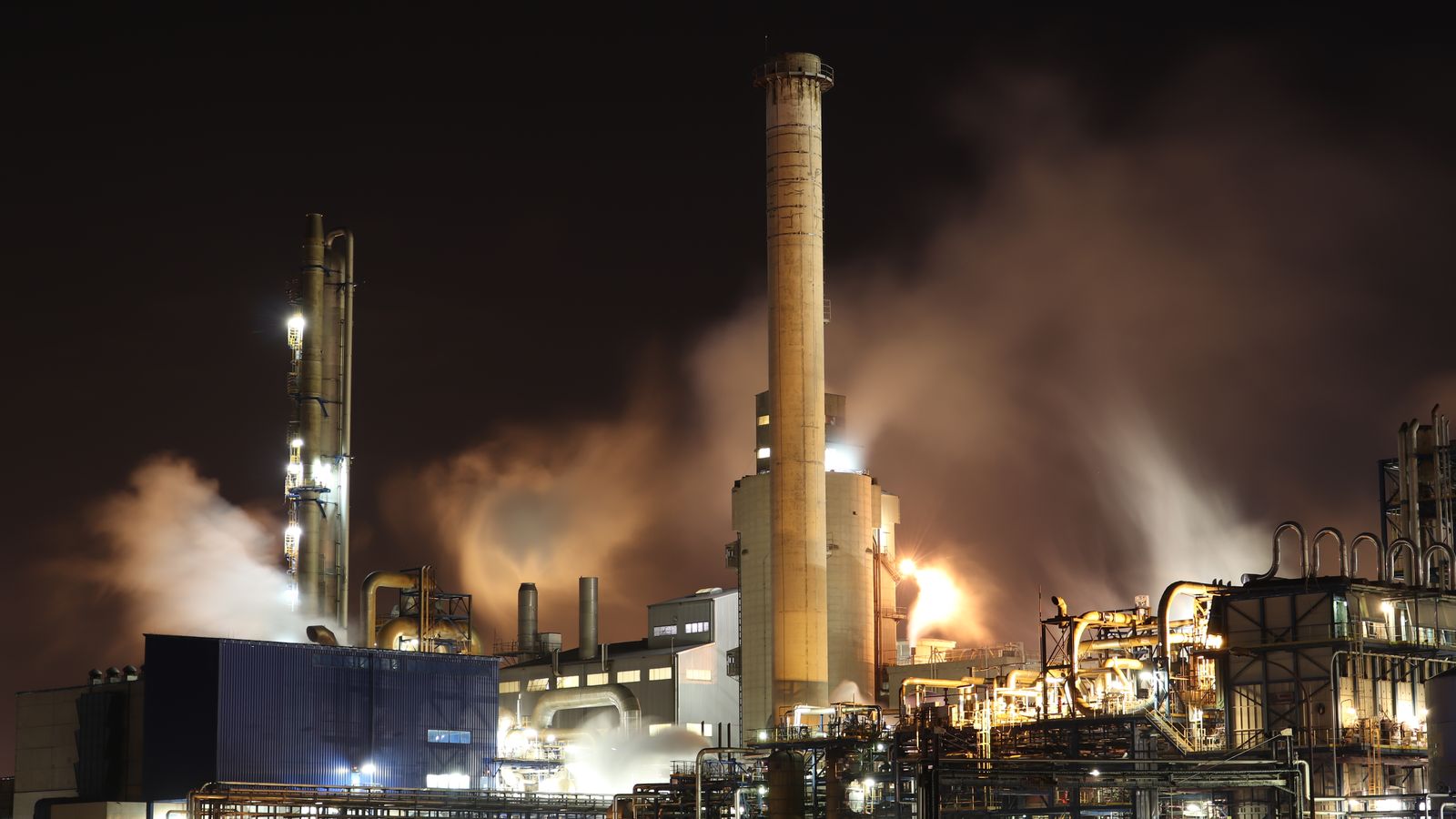
In the refining and petrochemical industries, a turnaround is a planned shutdown distinct from routine lubrication, rounds, and minor repairs. A process unit or group of units is shut down and emptied of process materials, then isolated, cleaned, inspected, repaired, replaced, or modified before being returned to operation. ExxonMobil describes a turnaround as a planned period for carrying out major maintenance, upgrades, and capital investment at a refinery or chemical plant, with schedules set well in advance. Every day offline brings lost production and costs, so the central task is fitting the scope of work, materials, specialist personnel, and restart sequence into a limited window.
Preparation is not simply a matter of choosing a shutdown date. Defects found during operation and inspection results must be collected to distinguish mandatory work from optional work, and each task must have defined isolation boundaries, expected residues, entry requirements, hot-work needs, required specialists, and completion criteria. The extent to which interconnected units are shut down together changes the volumes to be drained and purged, the locations of blinds, and temporary ventilation and measurement points. As schedules become tighter, teams should assess interference between tasks and the effect a leak from one task could have on nearby workers instead of simply increasing concurrent work.
The “cycle” must not be reduced to a single figure common to the entire industry. Inspection regulations and equipment-specific inspection intervals, catalyst life, operating history, corrosion and deterioration, manufacturer recommendations, improvement investments, links to other processes, product inventories, and market conditions all shape the schedule. Even within one company, crude distillation, desulfurization, cracking, aromatics, and olefins units may be shut down at different times and for different durations. S-OIL’s 2015 performance materials alone show maintenance on several refining, petrochemical, and lubricant units divided among the first half, Q3, and Q4, with different planned durations. This is not a source for current schedules, but an example showing that equipment-level plans differed even within a single site in one past year.
There is therefore no universal rule that “refineries undergo maintenance every few years in spring or fall.” Some sites may prefer particular periods because of the climate, energy demand, or contractor availability, but actual dates must be confirmed from official company-, plant-, and process-specific plans. Postponements, scope changes, and phased shutdowns are also possible. Instrumentation suppliers should prepare against customers’ confirmed shutdown windows and work packages rather than relying only on seasonal forecasts.
Why the Shape of Risk Changes During a Turnaround
During normal operation, materials, pressure, temperature, and flow are controlled within defined operating ranges, while fixed detectors and process instruments provide monitoring. During a turnaround, piping and vessels are emptied, purged with nitrogen or steam, flanges are loosened, manways are opened, people enter equipment, and welding, cutting, and cleaning take place concurrently. Process boundaries that are normally closed are opened at many points, and temporary hoses, blinds, ventilation equipment, and power supplies are added. This is why a monitoring system designed for normal operation may not cover every worker’s breathing zone and every temporary workface.
The UK HSE’s guidance on the safe isolation of process plant explains that refinery and chemical-process inventories may be flammable or toxic and at high temperature or pressure, and that intrusive maintenance can lead to a release of material. Failures in isolation and reinstatement are major causes of loss-of-containment incidents, so draining, venting, purging, verification of isolation, and reinstatement control remain necessary during shutdowns. It is unsafe to assume that “the process has stopped, so no gas remains.” Dead legs, deposits, adsorbed hydrocarbons, passing valves, backflow from adjacent units, cleaning reactions, and gases generated by the work may remain.
Restart is not merely the final step. The US Chemical Safety Board (CSB) warns that startups and shutdowns are more hazardous than normal operation because they involve nonroutine procedures and unexpected conditions. Actual incident investigations show that consequences can escalate when post-maintenance equipment alignment, instrument and alarm functions, procedures, training, and pre-startup safety review are omitted. Temporary monitoring plans should therefore continue beyond worker demobilization through leak testing, removal of isolations, introduction of process fluids, and confirmation of stable operation.
Four Stages When Instrumentation Demand Concentrates
First, the shutdown-preparation stage inventories expected substances and tasks. Safety data sheets for feedstocks, intermediates, by-products, and cleaning agents, piping and instrumentation diagrams, previous alarm and leak records, and sampling results are reviewed to identify the actual targets, such as oxygen, combustible gases, hydrogen sulfide, carbon monoxide, benzene, and other volatile organic compounds. A common 4-gas instrument must not be assumed to measure every hazard. Sensor ranges, cross-sensitivities, explosion-protection requirements, and sampling methods must be matched to each task.
Second, process conditions change rapidly during shutdown, emptying, and purging. Concentration trends must be tracked while flammable materials are removed, oxygen deficiency must be monitored in nitrogen-purged areas, and the effectiveness of isolation and cleaning must be verified before opening. A single reading at one point cannot represent the condition of an entire unit. Upper, middle, and lower levels, potential ingress points, and the worker’s direction of travel must be considered, together with sample-hose transport time and sensor response time. Measurement results must be tied to criteria for issuing, suspending, and resuming work permits.
Third, demand may spread most widely during opening and maintenance. Entry into vessels and tanks requires atmospheric checks before and during the work, while hot work requires continuous awareness of changes in a flammable atmosphere. Opening flanges, cutting piping, removing catalyst or sludge, painting, and cleaning require different targets and measurement ranges. Personal monitors worn by workers, pumped pre-entry instruments used by attendants, and portable devices monitoring work-area boundaries serve different purposes. Fixed detectors remain an important layer of protection, while temporary equipment supplements coverage for changed work locations and short-term hazards.
Fourth, the integrity of disturbed connections and instruments is checked during reinstatement and restart. The HSE states that leak and pressure testing and final de-isolation after major intrusive maintenance require a high level of control. The US OSHA’s process safety management guidance covers not only management of contractors engaged for turnarounds but also systems for confirming equipment, procedure, and training readiness through pre-startup safety reviews. Portable or transportable detectors can help identify initial leaks and verify work areas at this stage, but they do not replace pressure testing, tightness testing, process-instrument verification, or the pre-startup safety review itself.
Read “Seasonality” as Project Concentration, Not Weather
Seasonality in turnaround instrumentation demand does not mean that every plant nationwide shuts down in the same month. It is better understood as demand concentrating over a short period because more workfaces, contractors, and shifts than usual operate concurrently within an individual plant’s shutdown window. When schedules at different sites happen to overlap, regional demand may also overlap for rental equipment, calibration gas, docking equipment, spare sensors, and service personnel. Conversely, when schedules are spread out or maintenance is postponed, demand may fall even during what the calendar suggested would be peak season.
This demand is not only about the number of instruments. Capacity is also needed for pre-use function tests and calibration checks, charging, data retrieval, isolation of defective equipment, decontamination, and sensor replacement. OSHA’s guidance for portable direct-reading gas monitors explains the importance of a pre-use bump test or calibration check in accordance with the manufacturer’s instructions, full calibration and removal from service after a failed check, and recording the results. During a high-turnover period such as a turnaround, actual equipment availability falls if test gas, regulators, charging stations, or responsible staff are insufficient, even when the nominal fleet size is adequate.
A safer way to estimate demand is to multiply the following factors and remove overlaps.
The number of work permits and work areas active at the same time
Quantities for each measurement role, including personal wear, pre-entry sampling, and area monitoring
Turnaround time required for day and night shifts, charging, testing, and data retrieval
Equipment groups for each target-gas and sensor combination
A spare ratio that accounts for failed bump tests, contamination, charging, and repairs
Accessories such as sampling hoses, probes, filters, calibration gas, and regulators
Management personnel responsible for issuing and collecting equipment, responding to alarms, and reviewing records
For example, ordering 500 instruments solely because “500 people will be deployed” lacks an adequate basis, as does preparing 10 instruments solely because there are “10 confined spaces.” One person may carry out several work permits in sequence, while a single workface may require personal, pre-entry, and area-monitoring instruments at the same time. The work breakdown structure must be linked to the maximum simultaneous use on each shift. The mix of purchasing, short-term rental, and specialist measurement services should also be determined according to the period of use, management capability, and prospects for routine use afterward.
Operating Conditions Easily Missed in Equipment Selection
A turnaround monitor cannot be selected only by asking whether “the gas name appears on the display.” Checks must cover whether the expected maximum concentration could exceed the sensor range; whether the combustible-gas sensor works properly in an oxygen-deficient atmosphere; possible catalyst poisons such as silicone and sulfur compounds; humidity and temperature; delays from pumps and long hoses; and adsorption of reactive gases. The equipment certification must also match the hazardous-area classification of the workplace. If wireless portable devices are used, teams must test communication dead zones, battery life, alarm-transmission delays, and who receives and acts on alarms.
Alarm settings must have a clearly defined purpose among statutory exposure limits, explosion-hazard control criteria, internal process standards, and emergency-response procedures. ppm, volume percent, and %LEL must not be confused, and time-weighted-average alarms must be distinguished from immediate-evacuation alarms. A normal reading is not grounds for omitting isolation, ventilation, respiratory protection, or a rescue plan. Conversely, when an alarm occurs, stop-work, evacuation, cause investigation, and repermitting procedures must operate instead of turning off the instrument or arbitrarily raising the setpoint.
Equipment-management records remain valuable after the turnaround ends. Linking instrument number, user, work permit, sensor configuration, function-test and calibration results, alarm time and location, faults, and corrective actions enables more accurate planning of quantities and target gases for the next turnaround. If repeated alarms cluster around a particular opening task or area, they provide grounds to reassess ventilation, isolation, work sequence, or fixed-detector placement. Portable-instrument alarm logs must not, however, be repurposed unchanged as precise personal-exposure assessments or emissions data, because their measurement purposes and quality-control conditions differ.
Site-Specific Plans Are the Most Accurate Demand-Forecasting Data
Refinery and petrochemical turnarounds recur, but recurrence alone cannot establish a common cycle or season. Accurate forecasts come from equipment-specific inspection and maintenance plans, confirmed shutdown windows, work packages, concurrent workfaces, target gases, and shift operations. From a supply-chain perspective, it is reasonable to separate provisional schedules from confirmed ones and reserve equipment and calibration and service capacity in stages so that schedule changes can be accommodated.
From a safety perspective, the pre-shutdown hazard inventory, confirmation of emptying and purging, monitoring during opening, entry, and hot work, and checks during reinstatement and restart should form one continuous monitoring plan. Seasonality is not a sales-calendar issue; it is a wave of safety-management workload created by abnormal process conditions and concurrent work. When that wave is calculated down to actual plant schedules and work-permit level, temporary instruments can be deployed where and when needed without excess inventory or shortages.
Sources
Turning turnarounds into a competitive advantage — ExxonMobil, accessed 2026-09-09
Q3 2015 Earnings Presentation — S-OIL, accessed 2026-09-09
Safety Digest: CSB Investigations of Incidents during Startups and Shutdowns — US Chemical Safety Board (CSB), accessed 2026-09-09
The safe isolation of plant and equipment, HSG253 — UK Health and Safety Executive (HSE), accessed 2026-09-09
Process Safety Management — US Occupational Safety and Health Administration (OSHA), accessed 2026-09-09
Calibrating and Testing Direct-Reading Portable Gas Monitors — US Occupational Safety and Health Administration (OSHA), accessed 2026-09-09
Study on Improvements to Occupational Safety and Health Management Systems for Chemical Plant Maintenance Work — Occupational Safety and Health Research Institute, Korea Occupational Safety and Health Agency, accessed 2026-09-09