
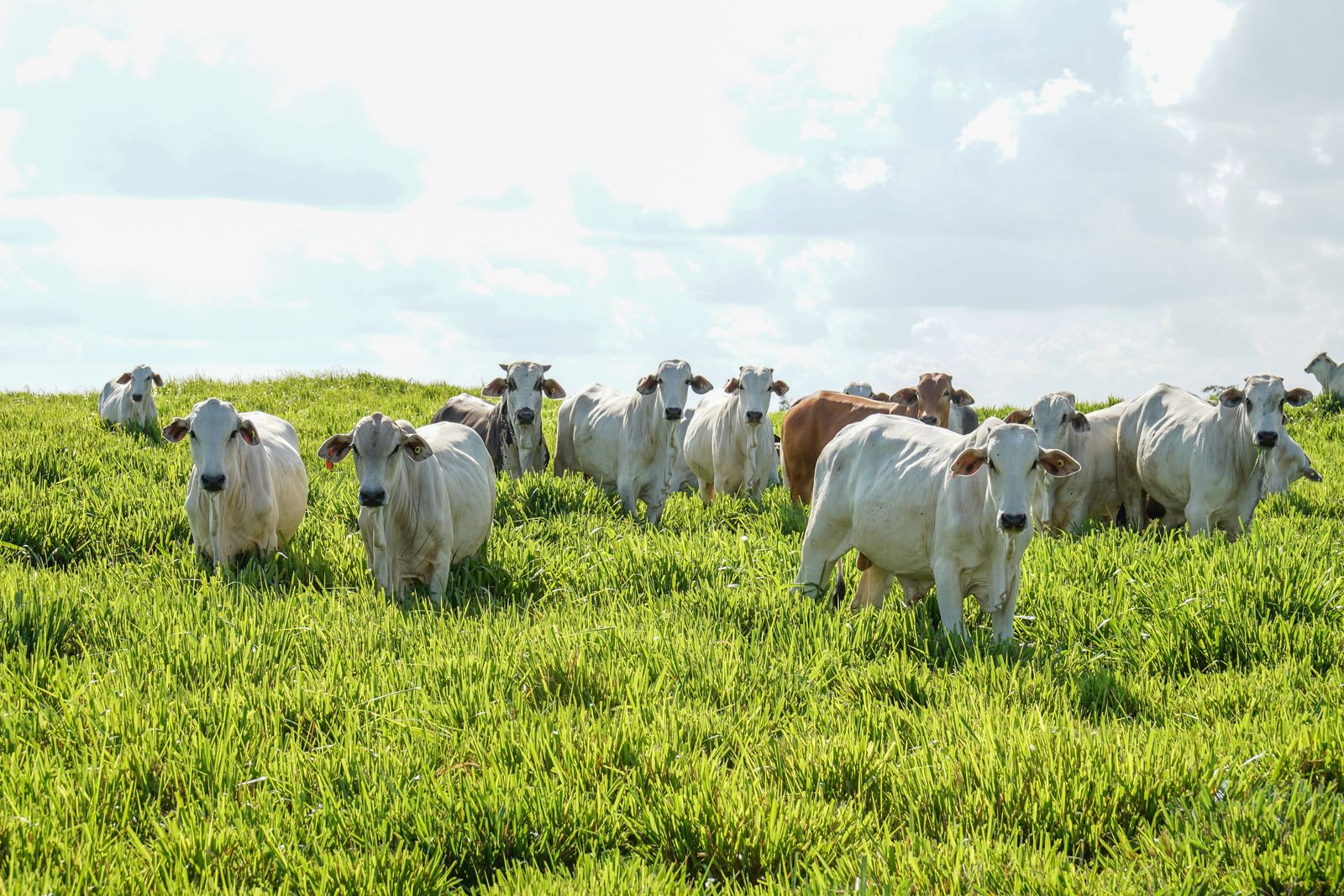
Treating cow methane as a single emissions source can misalign both the scope of mitigation technologies and the measurement design. Methane from enteric fermentation and methane from manure arise under different conditions and call for different management measures. Chapter 5 of Technology and Solutions for Demonstrating Carbon Reduction explains the factors that drive variation in livestock methane, starting with this distinction.
Define the concept and scope of application first
Measurements on individual animals and measurements of barn air must also be interpreted separately. The former examine emissions from a particular animal, while the latter describe conditions in a space where emissions from multiple sources are mixed. Before applying measurement results elsewhere, check the assumptions and representativeness of each. Having the same number of cattle does not mean all comparison conditions are matched. Record differences in production stage, intake, feed composition, and manure management to narrow down the causes of results. Information describing the target and conditions is needed before the volume of data.
In a cow’s rumen, microorganisms break down fiber to produce volatile fatty acids, which the cow uses as an energy source. Methane production is one of the pathways that consume hydrogen generated during fermentation. Because changes in the balance between hydrogen production and use can also alter fermentation, digestion, intake, and production outcomes should be monitored alongside methane-reduction effects.
Because enteric methane is emitted mainly through the mouth and nose, breath-collection equipment measures gases around the animal’s head. GreenFeed collects gas from animals that visit for baited feeding. However, if observations are concentrated at particular times, such as just after feeding, they may not represent daily emissions. Check the distribution of visit and measurement times and the quality of gas capture; for chambers and tracer-gas methods, apply each method’s principles for time integration and sampling design.
Differences between individual animals are especially important, yet often overlooked. Emissions can vary considerably among animals in the same herd. This has two implications: sampling must be carefully designed if a small number of animals is to represent the whole herd, and breeding to select low-emitting animals may be a long-term mitigation measure.
Methane emissions from manure are affected by organic matter, temperature, storage duration, and management practices. Storing liquid manure anaerobically for a long time can increase methane generation. However, the amount released to the atmosphere cannot be determined by whether storage is sealed alone. Consider whether generated gas is captured, combusted, or used, along with leakage and uncombusted emissions. IPCC methodologies also distinguish methane conversion factors by management practice from methane that is recovered.
Storage temperature is one variable that affects methane generation from manure. To assess how emissions change with warming, consider not only temperature but also storage duration, organic matter and moisture, treatment methods, and gas recovery conditions. The rate of increase in outdoor temperature cannot be directly converted into a rate of increase in manure emissions.
The manure pathway also includes nitrous oxide (N2O), in addition to methane. On a GWP100 basis, nitrous oxide is a much more potent greenhouse gas than methane and is generated during nitrogen treatment processes. There is a trade-off, however. Treating manure aerobically to reduce methane emissions can increase nitrous oxide emissions. Conversely, capturing methane through anaerobic digestion reduces methane, but other emissions may arise from managing the digestate.
Conditions and limitations of field application
Suppose methane in the air is measured in a barn where a feed additive is being used. The readings may also include effects from manure or the outside background. To assess the efficacy of a technology that acts in the rumen, the measurement boundary and the influence of other emissions sources must be addressed. A change in barn air cannot be assumed to be the same as a change in an individual animal’s emissions.
If feed efficiency improves so that the same amount of production is achieved with fewer inputs, emissions may be reduced. However, outcomes vary with the methane conversion rate, emissions from feed production, and changes in output, so we cannot conclude that total methane emissions and emissions intensity will both fall. Changes in production period, reproduction rate, mortality, and feed formulation should also be evaluated using aligned production outcomes and emissions boundaries.
Absolute emissions are total emissions over a defined period and within a defined boundary; emissions intensity is emissions per unit of product. Even if improved production efficiency lowers emissions intensity, total emissions may rise if production expands. Report the two indicators separately and align the comparison period and product definition. Total-emissions targets and product-efficiency assessments should be distinguished according to their purpose, while presenting both results together helps show the relationship between changes in scale and efficiency gains.
3-NOP is a feed-additive approach that inhibits an enzymatic reaction involved in methane production. Explaining its mode of action must be distinguished from confirming the effects under actual feeding conditions. Results can vary with dose, feed composition, intake, and production stage, so the conditions of each trial must be read alongside its findings. Check permitted conditions of use and safety and productivity data before deciding the scope of application.
Evidence needed for investment review
Investment reviews should check whether the pathway through which a technology intervenes aligns with the boundary used to calculate results. Examine whether the sensor’s installation location and measurement target match the product description, and how other emissions sources and differences among animals were handled. The mere use of equipment does not establish representativeness.
Productivity: weight gain, feed efficiency, milk yield, and reproduction rate. As discussed in Chapter 5, if energy that would otherwise be lost as methane is converted into production, productivity may improve; if fermentation is inhibited, it may deteriorate. Actual measurements are needed, not theoretical expectations.
Records for feed-additive-based mitigation should connect purchasing and delivery with mixing and actual administration. It should be possible to verify which product was used, for which herd, when, and during any periods when use stopped. Confirmation of actual administration and the evidence supporting the mitigation factor are different types of information and should be managed separately. The fact that records were kept does not by itself establish a quantified reduction for that farm.
Criteria to keep in view when making a decision
An accurate understanding of livestock methane provides a basis for comparing mitigation measures. Enteric fermentation and manure must be distinguished, and within each pathway the effects of feeding, husbandry conditions, and management practices should be examined. A technology’s effects are meaningful when interpreted within its scope of application.
About the author
Bongjun Lee graduated from the Graduate School of Management of Technology (MOT) at Sogang University. He spent seven years at Infitron Co., Ltd. and 20 years at Honeywell, working for a total of 27 years in gas measurement in service engineering, technical sales, and channel management. He is now the founder of AI Safety Korea Co., Ltd., where he is researching livestock methane monitoring and measurement, reporting, and verification (MRV) systems using sensors, AI, and data analytics.