
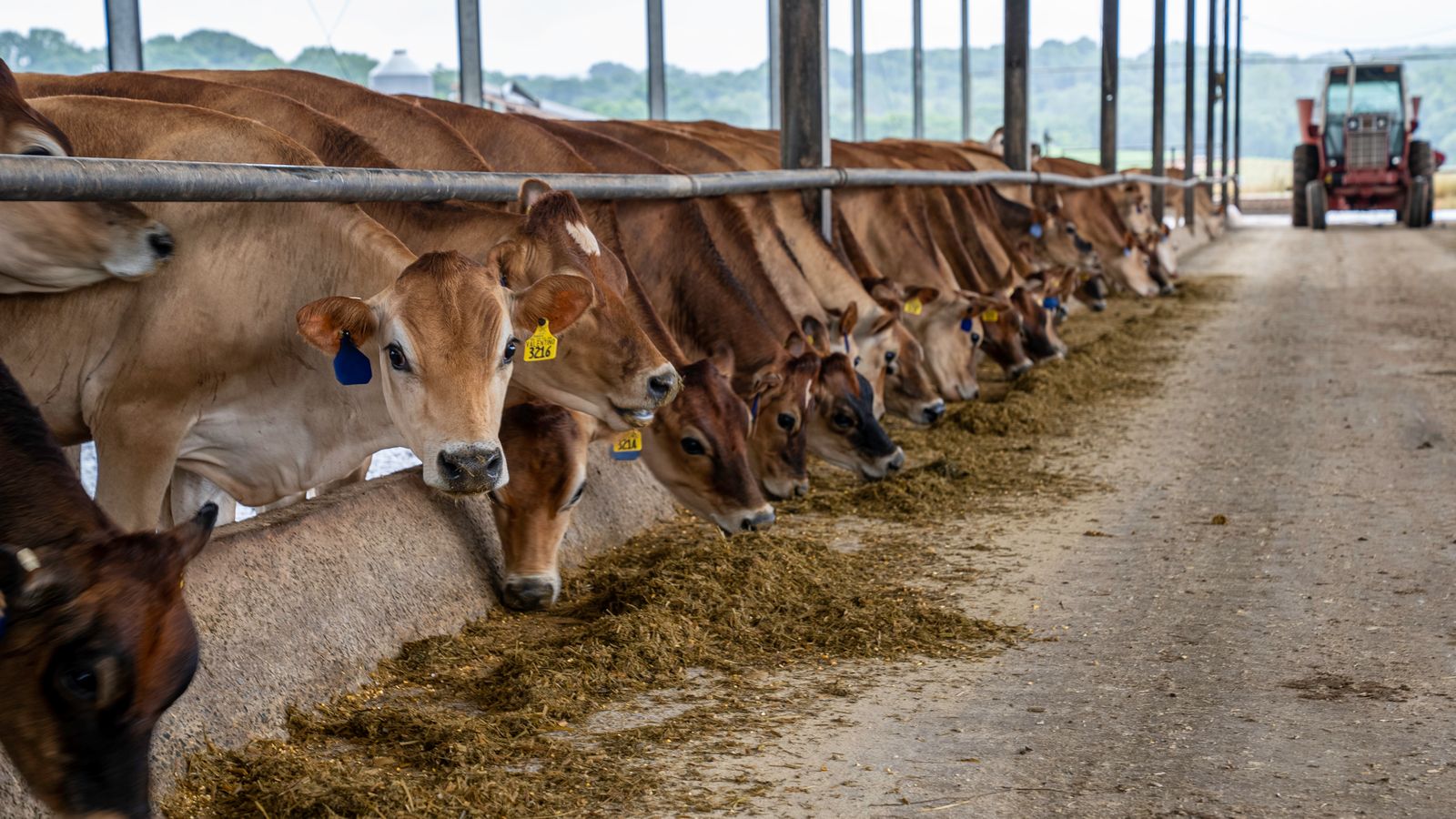
It may seem like a stretch to connect a farm’s feed records with a food company’s carbon data. It may be easier to think of it as looking at the same production activity across different boundaries. In Chapters 3, 9, and 12 of Technology and Solutions for Demonstrating Carbon Reduction, let’s explore how low-carbon livestock supply chains connect with livestock Scope 3 emissions.
A distinction to make first as you read the book
For farm records to flow into supply-chain data, the product and period need to be linked. We need to check what scope is represented by the purchased volume and the production activity. Even records with the same name cannot be combined directly if their units and aggregation methods differ. We should also distinguish the same emissions appearing within the different accounting boundaries of a supplier and a purchasing company from the problem of using the same credit more than once. First clarify which right under which system is being discussed to avoid unnecessary confusion.
What Korea’s livestock sector needs to prepare now is not CBAM response paperwork but a data system that can calculate emissions per product. That same system can be used to respond to purchasing companies’ Scope 3 requirements whether or not CBAM is expanded.
Food companies that procure livestock products may need farm-level data when calculating supply-chain emissions. If upstream materials are a significant emissions source, improvements in energy use at the company’s own factories alone may not be enough to meet supply-chain targets. Actual data submissions and reduction requirements should be checked against each purchasing company’s calculation methods and contracts.
Farmers’ reasons for participating change. “Please keep records for carbon reporting” is a burden, while “We’ll show you how much these records can help you save on feed costs” offers a benefit. As discussed in Chapter 6, when the economics of low-carbon feed remain fragile, the management improvements created by the data itself can provide a practical basis for continued participation.
To assess recurring demand for a data service, check where customers will use it and what the contract says. The ability to produce accurate data is necessary, but does not by itself guarantee willingness to buy. Specify the delivery schedule and quality, access and handover terms, and conditions for correcting errors, updating, and ending the service. Regulatory compliance, supply-chain reporting, and farm operations call for different data and decision timelines, so review the scope and costs of these services separately.
Field support and economic activities through NongHyup cooperative organizations, finance, and independent verification are distinct roles. These organizations can connect recordkeeping with group purchasing and training, but the authority to make final determinations of effects and payments must be checked separately. Design for both the convenience of using local relationships and supplier neutrality and conflict-of-interest controls. General trust in an organization cannot substitute for evidence of individual emissions-reduction outcomes.
Connecting application guidance, confirmation of eligible animals and feeding periods, group purchasing, recordkeeping support, and complaint handling can reduce barriers for farms. Local NongHyup cooperatives may provide the organizational foundation, but staffing and livestock expertise vary by region. Compare actual operating costs and service quality to determine whether standalone delivery, a shared support center, or a partnership with an external specialist is most suitable.
What to look for in the field
Suppose a purchasing company requests product-level emissions data. Before sending the records kept by a farm, check which period and products they refer to and whether the necessary permissions are in place. Even fields with the same name may have different units and definitions. These linkage conditions are necessary if the same records are to be reused.
There is also one principle that applies across all arrangements: local NongHyup cooperatives do not determine final emissions reductions, subsidy amounts, or verification ratings. Close relationships with members are an asset for implementation, not a qualification to make determinations.
When defining data rights, add actual terms of use rather than relying only on the phrase “farm-owned.” Specify who may view, amend, or provide what data, and how the data will be handled after the contract ends. This can help prevent disputes.
For data handover, check the source data and data dictionary, equipment and calibration history, rules for handling missing values and outliers, and model version. A test that rebuilds the results for the agreed period from the source data can help assess whether the data are usable in practice. Agree in advance on the data and formats to be provided at contract end, access rights, and retention and deletion conditions. Do not assume that providing a dashboard view means all necessary data have been handed over.
Questions to ask in an investment review
When reviewing a company’s data service, check whether the scope customers require aligns with farms’ consent. Data used for supply-chain calculations and exclusive rights to credits are separate issues. As data use expands, the purpose, rights, and verification requirements should be explained distinctly.
Include changes and termination in the handover terms. Specify notification and review scope when sensors, models, or calculation rules change; responsibility and costs for correcting errors; and the data, formats, and deadlines for return at termination. Distinguish records that must be retained from those that should be deleted, and check whether the metadata and usage rights needed to transfer to another provider will also be transferred. Link payment terms to these delivery and review procedures, while leaving the final contract to the parties and their legal professionals.
The principle is to allocate costs in proportion to benefits and ability to control them. Government bears a substantial share in view of the public-good nature of verification information and the need to justify policy spending. Purchasing companies bear data collection and verification costs as direct beneficiaries of Scope 3 reduction claims. Suppliers bear testing costs as the parties primarily responsible for demonstrating product efficacy. Cooperatives share the costs of operating common services. Farmers’ labor to provide records is also a cost and should not be assumed to be free.
A question to leave with before closing the book
Connecting a supply chain does not mean transferring every piece of information from a farm. It means reading the necessary data using shared definitions and using them within an agreed scope. The connection can last only if both purchasing companies’ requirements and farmers’ recordkeeping burden are considered.
About the author
Bongjun Lee graduated from the Graduate School of Management of Technology (MOT) at Sogang University. He spent seven years at Infitron Co., Ltd. and 20 years at Honeywell, working for a total of 27 years in gas measurement in service engineering, technical sales, and channel management. He is now the founder of AI Safety Korea Co., Ltd., where he is researching livestock methane monitoring and measurement, reporting, and verification (MRV) systems using sensors, AI, and data analytics.