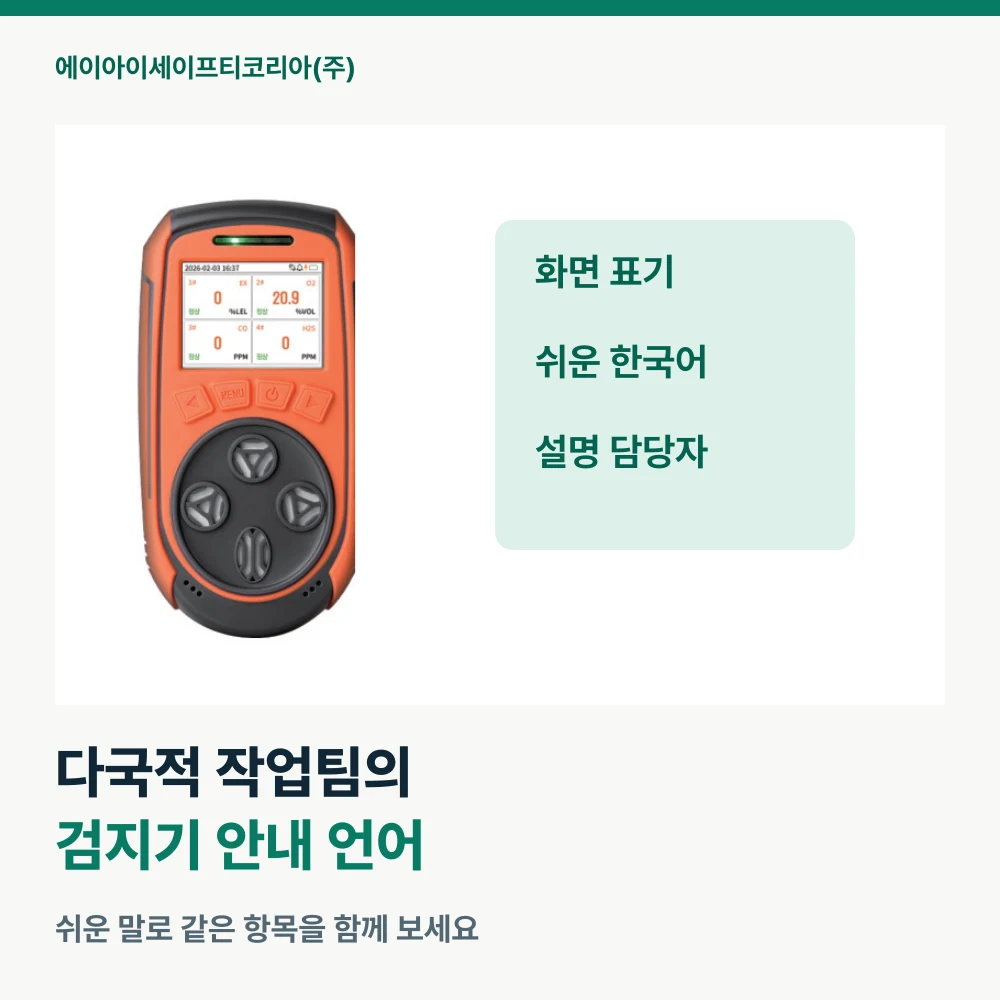
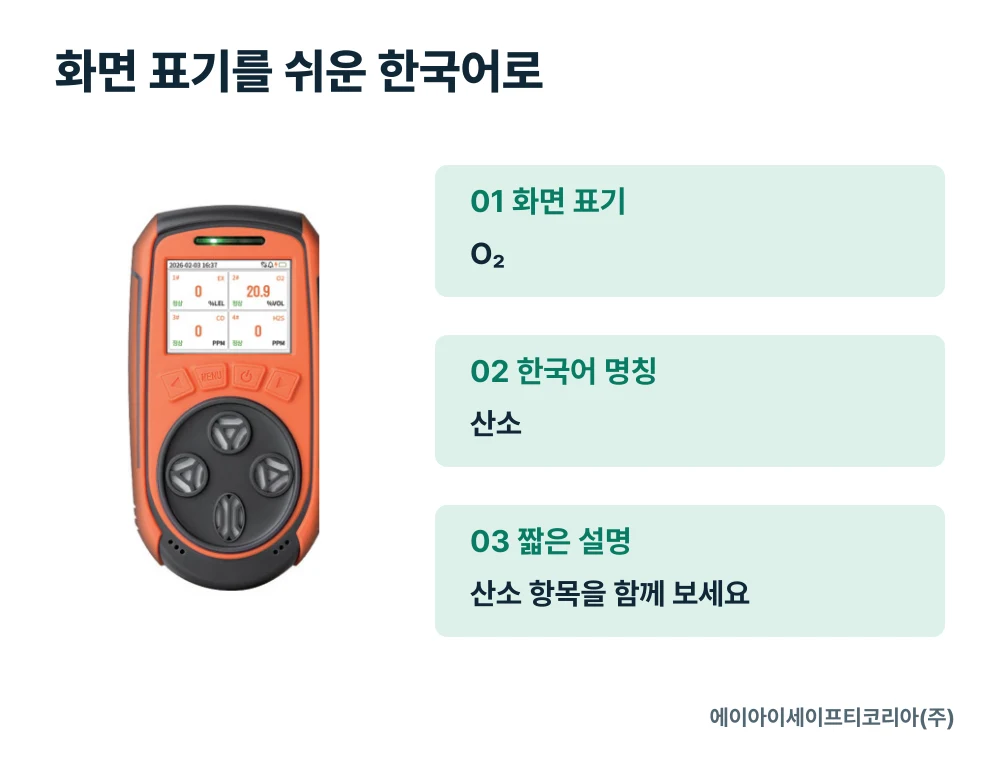
The trainer says, “Look at the oxygen item,” while the user searches the screen for O₂. Even when both mean the same thing, unfamiliar language and labels can lead to another round of explanation. A glossary placing screen labels beside simple Korean makes it easier for the team to point to the same item.
When introducing detectors to a multinational team, choose the guidance languages and the people explaining the equipment as you select the product. For teams needing a Korean screen, review GD2000 and GD3000 and connect the display, manual and team guidance.
Ask about familiar guidance languages before nationality
Employees of the same nationality may differ in how well they understand Korean explanations and which product terms they know. Ask users separately which language they prefer hearing, which they prefer reading and which screen labels they have seen often. Collecting this information helps the purchaser decide exactly which materials to request.
Some people understand spoken explanations more easily; others prefer pointing at the display while reading short sentences together. Trainers can prepare an explanation sequence that suits the user. Connecting one item name with one screen position keeps the discussion clearer than delivering a long sentence at once.
In purchase inquiries, add the languages needed to the description “We are a multinational team.” Note whether a Korean screen is needed, which language materials you want and who will provide guidance within the team. This brings together useful information for the consultation.

Compare the Korean screen and explanatory materials together
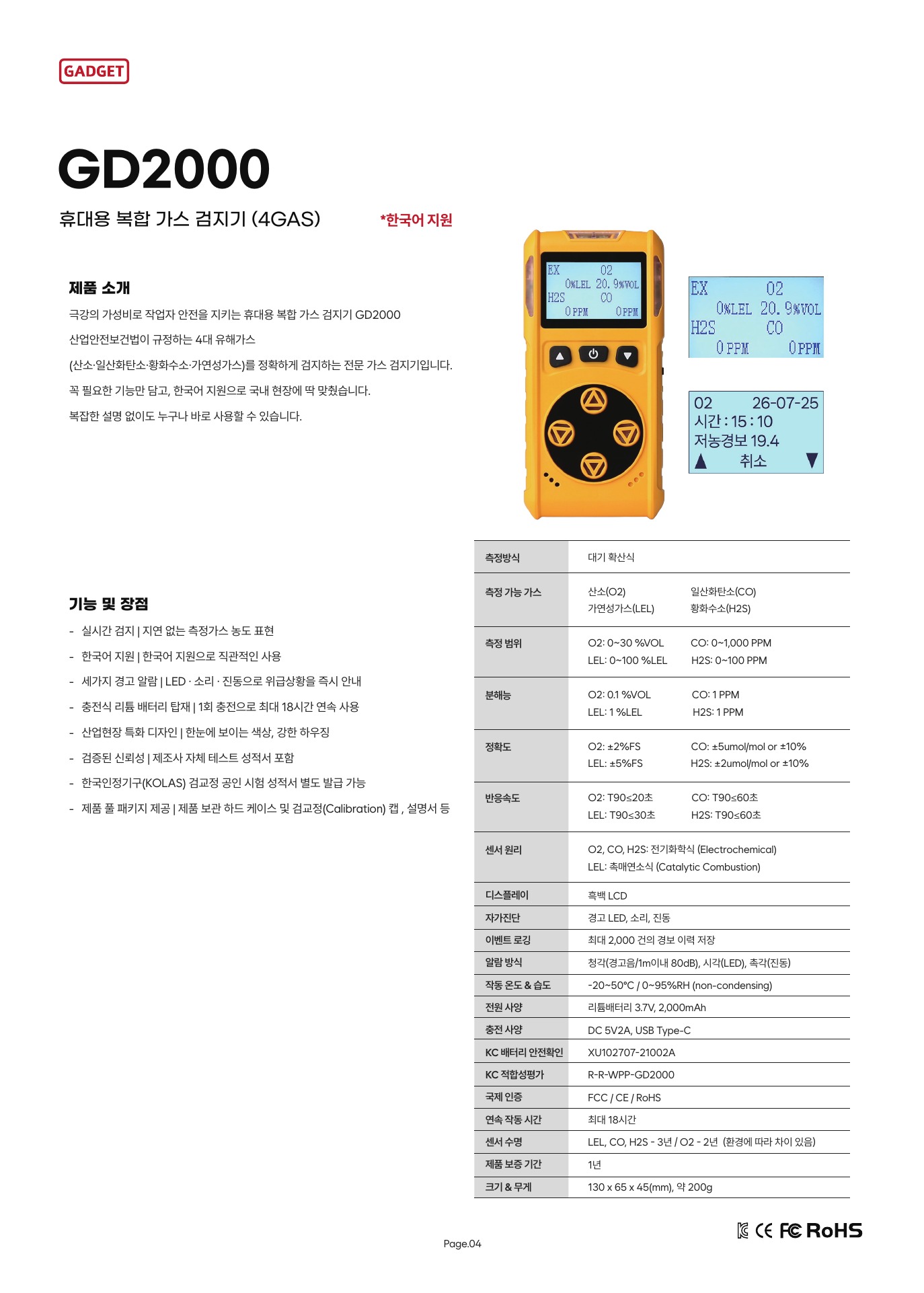
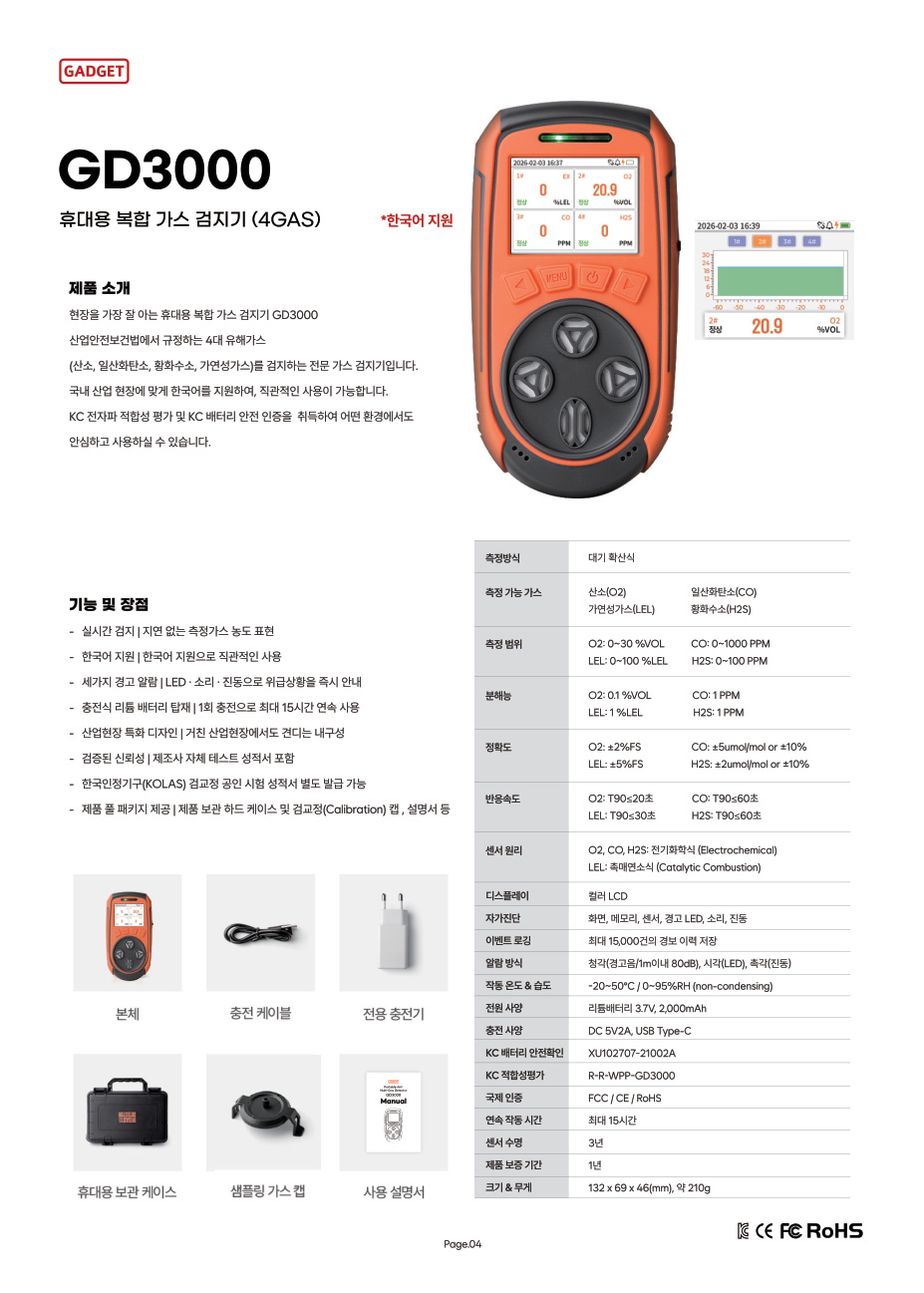
GD2000 is a portable four-gas detector with a monochrome LCD and Korean support. GD3000 is a four-gas model with a color LCD and Korean support. Both measure oxygen, carbon monoxide, hydrogen sulfide and combustible gas.
A person introducing equipment in Korean can explain the product while looking at its screen items together with the user. During purchasing, consider which display users find familiar and where the explanatory materials for each product are available.
Purchase review item | GD2000 | GD3000 |
|---|---|---|
Measurement targets | O₂·CO·H₂S·LEL | O₂·CO·H₂S·LEL |
Display | Monochrome LCD | Color LCD |
Korean support | Supported | Supported |
Public product materials | Catalog and Korean user manual | Catalog and Korean user manual |
Open GD2000 product information and GD3000 product information to compare them. If your team needs materials in additional languages, provide the languages and intended use so the available materials can be checked.
Place screen labels beside simple Korean
Build the team's glossary around the label to find on screen, the Korean name and a short expression to use when explaining it. Start with words that connect directly to the screen rather than lengthy translated sentences.
Label to find on screen | Korean name | Short expression for guidance |
|---|---|---|
O₂ | 산소 (oxygen) | “산소 항목을 함께 보세요.” — Look at the oxygen item together. |
CO | 일산화탄소 (carbon monoxide) | “CO는 일산화탄소입니다.” — CO is carbon monoxide. |
H₂S | 황화수소 (hydrogen sulfide) | “H₂S는 황화수소입니다.” — H₂S is hydrogen sulfide. |
LEL | 가연성가스 측정 항목 (combustible-gas measurement item) | “가연성가스 항목을 찾아보세요.” — Find the combustible-gas item. |
Place the model's actual screen labels on the left and agree on the team's expressions on the right. This connects “oxygen” and “O₂,” previously used separately by different explainers, in one line. Put the product name, such as GD2000 or GD3000, above the glossary so users first know which equipment it describes.
When adding another language familiar to users, review the wording together with the person who will explain it in that language. Gather expressions the team actually uses into a single page.
Connect the explanation roles to the screen language
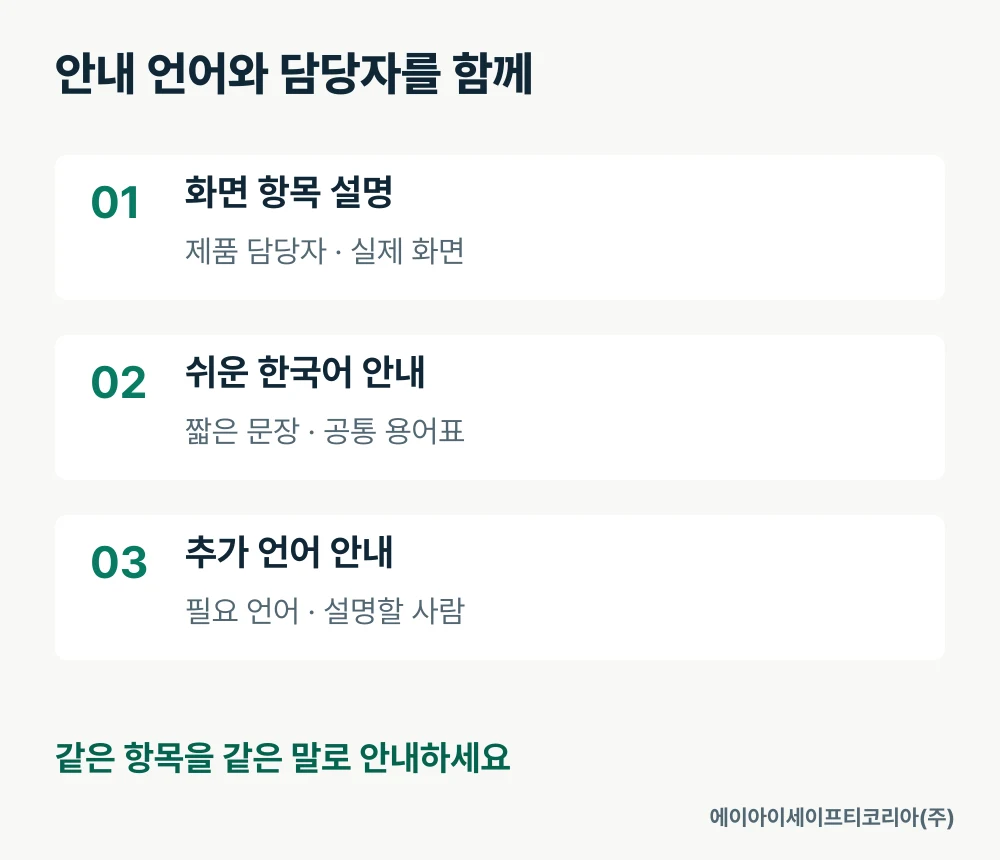
If one person reviews the Korean screen and another explains it in a different language, divide the explanation sequence in advance. For example, the product explainer points to an item, and the language guide explains that same item in terms familiar to the user.
Guidance preparation | What to decide first | Materials to review together |
|---|---|---|
Explain screen items | Person explaining the product | Product screen and user manual |
Simple Korean guidance | Short expressions for the team | Shared glossary |
Additional-language explanation | Required language and explainer | Expressions reviewed by the team |
Collect questions | Person gathering product inquiries | Screen item questioned and product name |
On the GD3000 product page, Korean manuals are separated into examples showing a Korean screen and examples showing an English screen. Opening the example matching the screen actually used helps the explainer and user find the same item. Link that screen example to the glossary too.
Add words users found difficult to the glossary
After the first explanation, ask users to find the items on the screen themselves. When the explainer says, “Shall we look at the CO item together?”, you can identify which word prompts another question. Collecting frequently asked terms shows what to address first in the next session.
Keep questions short and specific. Instead of “The display is difficult,” record the term requiring explanation, such as “We need materials explaining the difference between the names CO and CO₂.” Include the model name with product-function questions to make answers easier to organize.
When changing the glossary, share the revised expressions among explainers. Guiding everyone to the same item with the same words helps maintain the team's approach when new employees join.
Include guidance languages and an explanation plan in your purchase inquiry
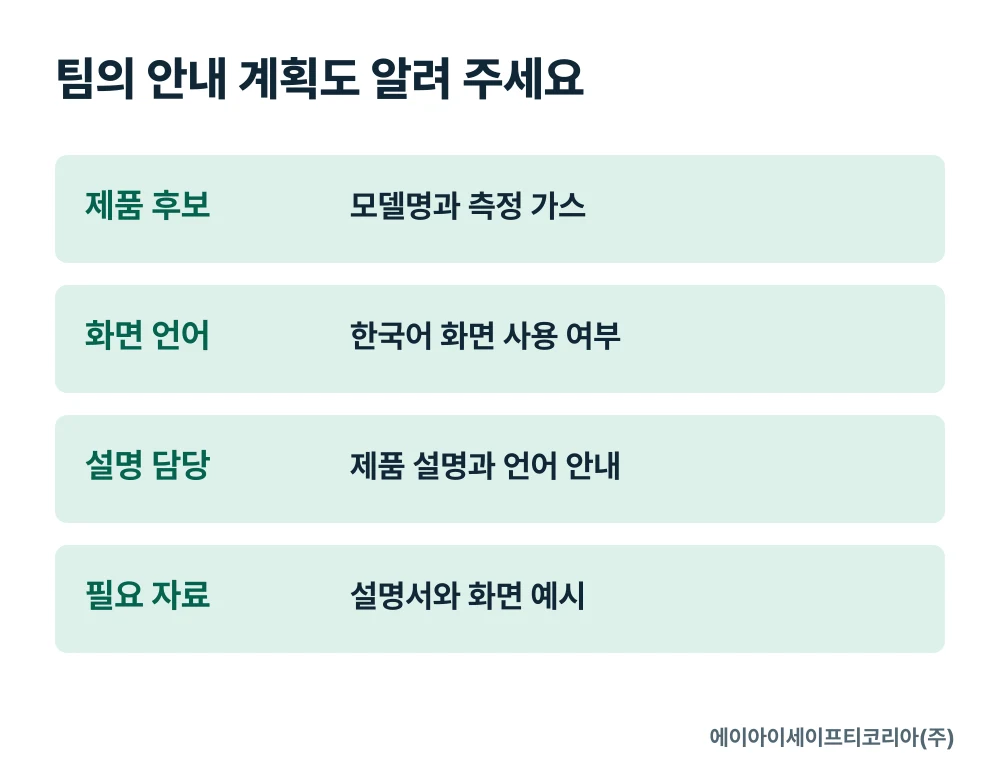
If you are considering gas detectors for a multinational team, organize the following information.
Product candidates and gases to measure
Whether a Korean screen will be used
Languages users prefer hearing and reading
People responsible for product explanations and language guidance
Required catalogs, user manuals and screen examples
Questions to include in the shared glossary
Prepare the team's explanation approach while choosing the screen. Tell AI Safety Korea Co., Ltd. your product candidates and required guidance languages, and we will review the product information and materials with you.
Discuss detector introduction and product materials